Unveiling The Enigmatic World Of Color Opposites: Unraveling The Secrets Of Visual Perception
Why do colors have opposites? Colors have opposites because of the way our eyes work. When we look at a color, our eyes send a signal to our brain. The brain then interprets the signal and tells us what color we are seeing. However, our brains do not process all colors the same way. Some colors, such as red and green, are processed by different parts of the brain. This is why we see red and green as opposites.
The concept of color opposites is important because it helps us to understand how we see the world. It also has practical applications in fields such as art, design, and photography. For example, artists use color opposites to create contrast and visual interest in their work. Designers use color opposites to make products more visually appealing. And photographers use color opposites to create dramatic and eye-catching images.
The idea of color opposites has been around for centuries. In ancient Greece, Aristotle wrote about the concept of color complements. In the 18th century, the German poet and scientist Johann Wolfgang von Goethe developed a color wheel that showed the relationships between different colors. Today, the color wheel is still used by artists, designers, and photographers to help them understand how colors work together.
Why do colors have opposites?
Colors have opposites because of the way our eyes and brains work together to process visual information. The three types of cone cells in our eyes are sensitive to different wavelengths of light, which correspond to different colors. When we look at a color, the cone cells send signals to our brains, which then interpret the signals and tell us what color we are seeing.Here are 10 key aspects of why colors have opposites:
- Physiology: Our eyes have three types of cone cells that are sensitive to different wavelengths of light.
- Neurology: Our brains interpret the signals from our cone cells and tell us what color we are seeing.
- Perception: We perceive colors as opposites because our brains process them in different ways.
- Contrast: Colors that are opposite on the color wheel create the most contrast when placed next to each other.
- Harmony: Colors that are opposite on the color wheel can also create harmony when used together in the right proportions.
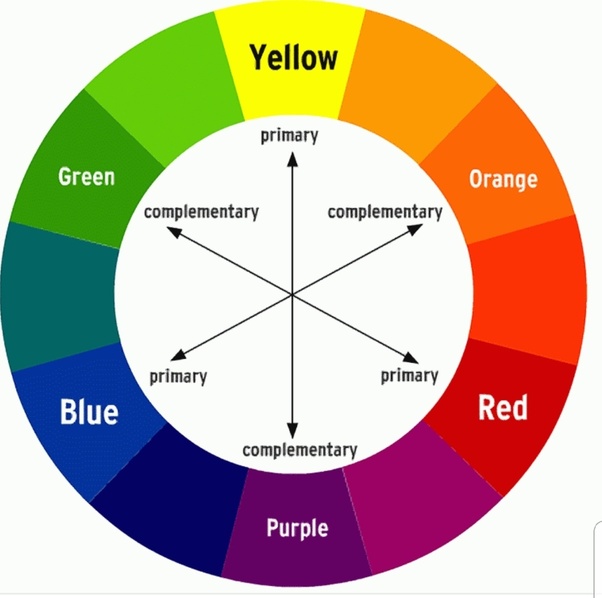
- Complementary colors: Colors that are opposite on the color wheel are called complementary colors.
- Color theory: Color theory is the study of how colors work together. Understanding color opposites is a fundamental part of color theory.
- Art: Artists use color opposites to create contrast, visual interest, and harmony in their work.
- Design: Designers use color opposites to make products more visually appealing and to create a sense of balance and order.
- Photography: Photographers use color opposites to create dramatic and eye-catching images.
These are just a few of the key aspects of why colors have opposites. Understanding these aspects can help us to understand how we see the world and how to use colors effectively in our own work.
Physiology
The physiology of our eyes is directly related to why colors have opposites. Our eyes have three types of cone cells that are sensitive to different wavelengths of light: short-wavelength (S) cones, medium-wavelength (M) cones, and long-wavelength (L) cones. These cone cells are responsible for our color vision. When we look at a color, the cone cells send signals to our brains, which then interpret the signals and tell us what color we are seeing.
- S cones are sensitive to short wavelengths of light, which correspond to the color blue.
- M cones are sensitive to medium wavelengths of light, which correspond to the color green.
- L cones are sensitive to long wavelengths of light, which correspond to the color red.
When we look at a color, the cone cells that are most sensitive to that color will send the strongest signals to our brains. For example, when we look at the color red, the L cones will send the strongest signals to our brains, and we will perceive the color as red. The fact that we have three types of cone cells that are sensitive to different wavelengths of light is why we see colors as opposites. When we look at a color, the cone cells that are most sensitive to that color will send the strongest signals to our brains, and we will perceive the color as the opposite of the color that the other cone cells are most sensitive to. For example, when we look at the color red, the L cones will send the strongest signals to our brains, and we will perceive the color as the opposite of green, which is the color that the M cones are most sensitive to.
Neurology
The neurology of our brains is directly related to why colors have opposites. Our brains interpret the signals from our cone cells and tell us what color we are seeing. This process is complex and involves several different brain regions.
When we look at a color, the cone cells in our eyes send signals to our brains. These signals are then processed by the retina, which is a thin layer of tissue at the back of the eye. The retina contains several different types of cells, including ganglion cells, which are responsible for sending visual information to the brain.
The ganglion cells in the retina send signals to the lateral geniculate nucleus (LGN), which is a small structure located in the thalamus. The LGN is responsible for relaying visual information to the visual cortex, which is located in the occipital lobe of the brain.
The visual cortex is responsible for processing visual information and telling us what we are seeing. The visual cortex contains several different areas, each of which is responsible for processing a different aspect of visual information. For example, one area of the visual cortex is responsible for processing color, while another area is responsible for processing shape.
When we look at a color, the visual cortex interprets the signals from the LGN and tells us what color we are seeing. This process is complex and involves several different brain regions. However, it is essential for our ability to see color.
The understanding of the neurology of color vision has important practical applications. For example, this understanding has led to the development of new treatments for color blindness.
Perception
The perception of color opposites is a fundamental part of human vision. Our brains process colors in different ways, which leads us to perceive some colors as opposites. For example, we perceive red and green as opposites, even though they are actually next to each other on the color wheel. This is because our brains process red and green light using different types of cone cells in our eyes. The cone cells that are most sensitive to red light are also sensitive to some green light, and vice versa. This overlap in sensitivity leads our brains to perceive red and green as opposites.
The perception of color opposites has a significant impact on the way we see the world. For example, the contrast between red and green is used to create a sense of depth in many 3D movies. The use of complementary colors, such as red and green, can also be used to create a sense of balance and harmony in art and design.
Understanding the perception of color opposites is also important for a variety of practical applications. For example, this understanding is used in the design of traffic lights and other safety signage. It is also used in the development of new technologies, such as color-blindness correction glasses.
Contrast
The concept of color contrast is closely related to the question of why colors have opposites. Contrast refers to the difference in lightness or darkness between two colors. Colors that are opposite on the color wheel create the most contrast when placed next to each other because they have the greatest difference in lightness or darkness. This is because the human eye perceives colors that are opposite on the color wheel as being complementary, meaning that they balance each other out and create a sense of visual harmony. For example, the complementary color pair of red and green creates a high level of contrast when placed next to each other, making them a popular choice for use in design and art.
Understanding the concept of color contrast is important for a variety of practical applications. For example, it is used in the design of traffic lights and other safety signage to ensure that the colors are easily distinguishable. It is also used in the development of new technologies, such as color-blindness correction glasses, to help people with color vision deficiencies see colors more clearly.
In summary, the concept of color contrast is closely related to the question of why colors have opposites. Colors that are opposite on the color wheel create the most contrast when placed next to each other because they have the greatest difference in lightness or darkness. This is because the human eye perceives colors that are opposite on the color wheel as being complementary, meaning that they balance each other out and create a sense of visual harmony. Understanding the concept of color contrast is important for a variety of practical applications, such as the design of traffic lights and the development of color-blindness correction glasses.
Harmony
The concept of color harmony is closely related to the question of why colors have opposites. Harmony refers to the pleasing arrangement of colors in a design. Colors that are opposite on the color wheel can create harmony when used together in the right proportions because they balance each other out and create a sense of visual equilibrium. For example, the complementary color pair of red and green can be used to create a harmonious design when used in equal proportions.
Understanding the concept of color harmony is important for a variety of practical applications. For example, it is used in the design of clothing, interiors, and products to create visually appealing and balanced designs. It is also used in the development of new technologies, such as color-blindness correction glasses, to help people with color vision deficiencies see colors more clearly.
In summary, the concept of color harmony is closely related to the question of why colors have opposites. Colors that are opposite on the color wheel can create harmony when used together in the right proportions because they balance each other out and create a sense of visual equilibrium. Understanding the concept of color harmony is important for a variety of practical applications, such as the design of clothing, interiors, and products, as well as the development of new technologies.
Complementary colors
The concept of complementary colors is closely related to the question of why colors have opposites. Complementary colors are pairs of colors that are opposite each other on the color wheel. When placed next to each other, they create a high level of contrast and visual interest. This is because the human eye perceives complementary colors as being mutually enhancing, meaning that they make each other appear more vibrant and saturated.
- Contrast: Complementary colors create the most contrast when placed next to each other. This is because they have the greatest difference in hue, saturation, and value. For example, the complementary color pair of red and green creates a high level of contrast, making them a popular choice for use in design and art.
- Harmony: Complementary colors can also create harmony when used together in the right proportions. This is because they balance each other out and create a sense of visual equilibrium. For example, the complementary color pair of blue and orange can be used to create a harmonious design when used in equal proportions.
- Visual interest: Complementary colors can be used to create visual interest and excitement in a design. This is because they create a sense of tension and energy. For example, the complementary color pair of yellow and purple can be used to create a design that is both visually appealing and stimulating.
- Color theory: The concept of complementary colors is a fundamental part of color theory. Color theory is the study of how colors work together and how they can be used to create different effects. Understanding the concept of complementary colors is essential for anyone who wants to use color effectively in their work.
In summary, the concept of complementary colors is closely related to the question of why colors have opposites. Complementary colors are pairs of colors that are opposite each other on the color wheel. When placed next to each other, they create a high level of contrast and visual interest. Understanding the concept of complementary colors is essential for anyone who wants to use color effectively in their work.
Color theory
Color theory is the study of how colors work together to create different effects. Understanding color opposites is a fundamental part of color theory because it helps us to understand how colors interact with each other and how they can be used to create different effects. For example, complementary colors are colors that are opposite each other on the color wheel. When placed next to each other, they create a high level of contrast and visual interest. This is because the human eye perceives complementary colors as being mutually enhancing, meaning that they make each other appear more vibrant and saturated.
- Contrast: Color opposites create the most contrast when placed next to each other. This is because they have the greatest difference in hue, saturation, and value. For example, the complementary color pair of red and green creates a high level of contrast, making them a popular choice for use in design and art.
- Harmony: Color opposites can also create harmony when used together in the right proportions. This is because they balance each other out and create a sense of visual equilibrium. For example, the complementary color pair of blue and orange can be used to create a harmonious design when used in equal proportions.
- Visual interest: Color opposites can be used to create visual interest and excitement in a design. This is because they create a sense of tension and energy. For example, the complementary color pair of yellow and purple can be used to create a design that is both visually appealing and stimulating.
- Color schemes: Color opposites can be used to create a variety of different color schemes. For example, a complementary color scheme is a color scheme that uses two complementary colors. A split-complementary color scheme is a color scheme that uses one color and the two colors that are adjacent to its complement on the color wheel. A triadic color scheme is a color scheme that uses three colors that are evenly spaced around the color wheel.
Understanding the concept of color opposites is essential for anyone who wants to use color effectively in their work. Whether you are a designer, an artist, or simply someone who wants to improve their home dcor, understanding color opposites will help you to create more visually appealing and harmonious designs.
Art
The use of color opposites in art is a direct result of the physiological and neurological processes that underlie human color perception. As discussed earlier, our eyes contain three types of cone cells that are sensitive to different wavelengths of light, corresponding to the colors red, green, and blue. When we look at a color, the cone cells that are most sensitive to that color send the strongest signals to our brains, and we perceive the color as the opposite of the color that the other cone cells are most sensitive to. This is why we see red and green as opposites, even though they are actually next to each other on the color wheel.
Artists have long understood the power of color opposites to create contrast, visual interest, and harmony in their work. By placing complementary colors next to each other, artists can create a sense of tension and excitement that draws the viewer's eye. For example, the Dutch painter Vincent van Gogh often used complementary colors in his work to create a sense of emotional intensity. In his painting "The Starry Night," van Gogh uses the complementary colors blue and orange to create a sense of tension and drama.
In addition to creating contrast, color opposites can also be used to create harmony and balance in a work of art. By using complementary colors in equal proportions, artists can create a sense of equilibrium and stability. For example, the French painter Georges Seurat often used complementary colors in his pointillist paintings to create a sense of harmony and unity. In his painting "A Sunday Afternoon on the Island of La Grande Jatte," Seurat uses the complementary colors blue and orange to create a sense of balance and tranquility.
The use of color opposites in art is a powerful tool that artists can use to create a variety of different effects. By understanding the physiological and neurological processes that underlie human color perception, artists can use color opposites to create works of art that are visually appealing, emotionally evocative, and intellectually stimulating.
Design
The use of color opposites in design is a direct result of the physiological and neurological processes that underlie human color perception. As discussed earlier, our eyes contain three types of cone cells that are sensitive to different wavelengths of light, corresponding to the colors red, green, and blue. When we look at a color, the cone cells that are most sensitive to that color send the strongest signals to our brains, and we perceive the color as the opposite of the color that the other cone cells are most sensitive to. This is why we see red and green as opposites, even though they are actually next to each other on the color wheel.
Designers have long understood the power of color opposites to create contrast, visual interest, and harmony in their work. By placing complementary colors next to each other, designers can create a sense of tension and excitement that draws the viewer's eye. For example, the American designer Milton Glaser used the complementary colors red and green in his iconic I NY logo to create a sense of visual impact and memorability.
In addition to creating contrast, color opposites can also be used to create a sense of balance and order in a design. By using complementary colors in equal proportions, designers can create a sense of equilibrium and stability. For example, the Swiss designer Josef Mller-Brockmann used the complementary colors black and white in his minimalist posters to create a sense of order and clarity.
The use of color opposites in design is a powerful tool that designers can use to create a variety of different effects. By understanding the physiological and neurological processes that underlie human color perception, designers can use color opposites to create products that are visually appealing, emotionally evocative, and intellectually stimulating.
Photography
The concept of color opposites is essential in photography, as it allows photographers to create visually striking and emotionally evocative images. By understanding why colors have opposites, photographers can harness the power of complementary colors to create contrast, drama, and visual interest in their work.
- Contrast: Color opposites create the most contrast when placed next to each other. This is because they have the greatest difference in hue, saturation, and value. For example, the complementary color pair of red and green creates a high level of contrast, making it a popular choice for use in photography. Photographers often use complementary colors to create a sense of tension and excitement in their images.
- Harmony: Color opposites can also create harmony when used together in the right proportions. This is because they balance each other out and create a sense of visual equilibrium. For example, the complementary color pair of blue and orange can be used to create a harmonious image when used in equal proportions. Photographers often use complementary colors to create a sense of balance and tranquility in their images.
- Visual interest: Color opposites can be used to create visual interest and excitement in a photograph. This is because they create a sense of tension and energy. For example, the complementary color pair of yellow and purple can be used to create an image that is both visually appealing and stimulating. Photographers often use complementary colors to create a sense of drama and excitement in their images.
- Emotional impact: Color opposites can be used to create a variety of different emotional responses in viewers. For example, the complementary color pair of red and green can be used to create a sense of excitement or danger, while the complementary color pair of blue and orange can be used to create a sense of peace or tranquility. Photographers often use complementary colors to create a specific emotional response in their viewers.
Understanding the concept of color opposites is essential for any photographer who wants to create visually striking and emotionally evocative images. By harnessing the power of complementary colors, photographers can create images that are both visually appealing and emotionally engaging.
FAQs on "Why Do Colors Have Opposites"
This section addresses frequently asked questions and misconceptions surrounding the concept of color opposites, providing concise and informative answers.
Question 1: Why do we perceive certain colors as opposites?
Our perception of color opposites stems from the physiology of our eyes. The human eye contains three types of cone cells, each sensitive to a specific range of wavelengths. When light strikes these cells, signals are sent to the brain, which interprets the signals and assigns a color perception. The brain processes colors that stimulate different cone cells as opposites.
Question 2: What is the significance of color opposites in color theory?
In color theory, understanding color opposites is crucial because it forms the basis of color harmonies and contrast. Complementary colors, which are colors directly opposite each other on the color wheel, offer the highest contrast when juxtaposed, creating visual interest and impact.
Question 3: How do artists leverage color opposites in their work?
Artists utilize color opposites to achieve various effects in their creations. By placing complementary colors side by side, they can generate tension, evoke emotions, or draw attention to specific elements. The interplay of opposites adds depth, vibrancy, and visual intrigue to artistic compositions.
Question 4: What role do color opposites play in design?
In design, color opposites contribute to visual hierarchy and organization. Designers employ complementary colors to create focal points, enhance readability, and establish a sense of balance and harmony within designs. Understanding color opposites allows designers to make informed choices for effective visual communication.
Question 5: How can photographers harness color opposites to enhance their images?
Photographers utilize color opposites to create visually striking and emotionally evocative images. By combining complementary colors, they can draw attention to subjects, create a sense of depth, and convey specific moods or messages. Understanding color opposites helps photographers make strategic decisions about color combinations to achieve desired effects.
Question 6: Are there any practical applications of understanding color opposites beyond art and design?
Yes, understanding color opposites has practical applications in fields such as optometry, lighting design, and even fashion. In optometry, it aids in diagnosing color vision deficiencies. In lighting design, it informs the selection of complementary colors for optimal illumination effects. In fashion, it guides the creation of visually appealing and balanced color combinations in clothing and accessories.
In summary, the concept of color opposites arises from the physiology of our eyes and plays a vital role in various disciplines, including art, design, photography, and beyond. Understanding color opposites empowers us to create visually impactful and meaningful experiences across diverse fields.
Transition to the next article section: The exploration of "Why Do Colors Have Opposites" continues in the following section, where we delve into the practical applications of this concept and its significance in everyday life.
Tips on Understanding "Why Do Colors Have Opposites"
Comprehending the concept of color opposites empowers us to make informed decisions and enhance our visual experiences. Here are some practical tips to leverage this understanding effectively:
Tip 1: Utilize Color Wheels for Visualization
Color wheels provide a systematic arrangement of colors, making it easy to identify complementary pairs. Utilize color wheels to experiment with different combinations and observe the contrasting effects firsthand.
Tip 2: Experiment with Color Combinations
Don't limit yourself to traditional complementary pairs. Experiment with various color combinations to discover unique and unexpected harmonies. Explore the relationships between analogous, triadic, and monochromatic color schemes.
Tip 3: Consider Cultural and Contextual Factors
Color meanings and associations can vary across cultures and contexts. Be mindful of the intended audience and cultural norms when selecting color combinations. Research and understand the symbolic and emotional implications of colors.
Tip 4: Apply Color Opposites in Design and Art
Incorporate color opposites into your designs and artwork to create visual impact and draw attention to specific elements. Use complementary colors for headings, call-to-actions, or focal points to enhance readability and engagement.
Tip 5: Enhance Photography with Color Contrasts
In photography, utilize color opposites to create visually striking images. Experiment with filters, gels, or post-processing techniques to introduce complementary colors and achieve dramatic effects.
Tip 6: Utilize Color Opposites for Accessibility
Consider color accessibility when designing for individuals with color vision deficiencies. Use high-contrast color combinations to ensure readability and comprehension for all users.
Summary: Understanding "Why Do Colors Have Opposites" extends beyond theoretical knowledge. By implementing these practical tips, we can harness the power of color opposites to enhance our visual experiences, improve communication, and create more inclusive and impactful designs.
Conclusion
The exploration of "why do colors have opposites" has unveiled the intricate relationship between human physiology, color perception, and the way we experience and utilize colors. Through the understanding of color opposites, we gain insights into the fundamental principles that govern the visual world.
This understanding extends beyond theoretical knowledge, empowering us to harness the power of color opposites in various fields such as art, design, photography, and everyday life. By utilizing color wheels, experimenting with color combinations, and considering cultural contexts, we can create visually impactful and meaningful experiences.
Furthermore, understanding color opposites has practical implications for accessibility and inclusivity. By implementing high-contrast color combinations, we can ensure that designs are accessible to individuals with color vision deficiencies. This knowledge empowers us to create a more inclusive and equitable visual environment.
As we continue to explore the nuances of color perception and its applications, the concept of color opposites remains a cornerstone of our understanding of the visual world. By embracing this knowledge, we unlock a deeper appreciation for the beauty and complexity of colors and their profound impact on our lives.

What's The Opposite Of Pink On The Color Wheel Color theory is a
What Is The Opposite Color Of Orange The meaning and symbolism of the

Learn the Basics of Color Theory to Know What Looks Good Color


