Unravel The Secrets: Discover The Hidden Powers Of Coloring
Colouring is an activity that has been enjoyed by people of all ages for centuries. It is a fun and relaxing way to express oneself creatively. But did you know that colouring also has a number of important benefits?
Colouring can help to reduce stress and anxiety. When you colour, you focus on the present moment and let go of your worries. This can help to calm your mind and body, and promote relaxation. Colouring can also help to improve your sleep. When you colour before bed, it can help to relax your mind and body, and prepare you for a good night's sleep.
In addition to its benefits for mental health, colouring can also help to improve your physical health. Colouring can help to improve your fine motor skills and hand-eye coordination. It can also help to strengthen your muscles and improve your dexterity. Colouring can also be a great way to socialize. When you colour with friends or family, it can help to build relationships and create lasting memories.
why colouring is important
Colouring is an essential activity that offers numerous benefits to individuals of all ages.
- Stress and anxiety reduction
- Improved sleep
- Enhanced fine motor skills
- Improved hand-eye coordination
- Strengthened muscles
- Increased dexterity
- Improved focus and concentration
- Increased creativity
- Enhanced self-expression
Colouring has therapeutic effects as a stress reliever by calming the mind and body. Further, improving fine motor skills helps in daily activities like writing and drawing. Moreover, colouring fosters creativity and imagination, allowing individuals to express themselves freely.
Stress and anxiety reduction
Stress and anxiety are common experiences in today's fast-paced world. They can have a negative impact on our physical and mental health, leading to a variety of problems such as headaches, stomachaches, difficulty sleeping, and irritability.
Colouring is a simple and effective way to reduce stress and anxiety. When we colour, we focus on the present moment and let go of our worries. This can help to calm our minds and bodies, and promote relaxation.
There is a growing body of research that supports the benefits of colouring for stress and anxiety reduction. For example, a study published in the journal "Art Therapy" found that colouringdesigns for 20 minutes significantly reduced stress and anxiety levels in college students.
Colouring is a versatile activity that can be enjoyed by people of all ages. It is a great way to relax and de-stress, and it can also be a fun and creative way to express yourself.
Improved sleep
Sleep is essential for our physical and mental health. It allows our bodies to rest and repair themselves, and it helps us to consolidate memories and learn new things. When we don't get enough sleep, we can experience a variety of problems, such as fatigue, irritability, and difficulty concentrating.
Colouring can help to improve sleep in a number of ways. First, it can help to relax the mind and body. When we colour, we focus on the present moment and let go of our worries. This can help to calm our minds and bodies, and promote relaxation.
Second, colouring can help to reduce stress and anxiety. Stress and anxiety are common causes of insomnia. When we are stressed or anxious, our minds race and our bodies tense up. This can make it difficult to fall asleep and stay asleep.
Colouring can help to reduce stress and anxiety by providing a calming and relaxing activity. When we colour, we focus on the present moment and let go of our worries. This can help to calm our minds and bodies, and promote relaxation.
Finally, colouring can help to create a regular sleep routine. When we go to bed and wake up at the same time each day, it helps to regulate our body's natural sleep-wake cycle. This can make it easier to fall asleep and stay asleep.
Colouring is a simple and effective way to improve sleep. It is a relaxing and enjoyable activity that can help to reduce stress and anxiety, and create a regular sleep routine.
Enhanced fine motor skills
Fine motor skills are the small movements we make with our hands and fingers. They are essential for everyday activities such as writing, drawing, eating, and getting dressed. Colouring is a great way to enhance fine motor skills. It requires us to use our hands and fingers to hold the colouring tool and to control the pressure we apply. This helps to strengthen our muscles and improve our coordination.
Enhanced fine motor skills are important for children and adults alike. For children, they are essential for learning to write and draw. For adults, they are important for maintaining independence and performing everyday tasks.
There are many ways to enhance fine motor skills, but colouring is one of the most enjoyable. It is a relaxing and creative activity that can be enjoyed by people of all ages.
Improved hand-eye coordination
Hand-eye coordination is the ability to control the movement of the hands and eyes together. It is an important skill for everyday activities such as writing, drawing, playing sports, and driving. Colouring is a great way to improve hand-eye coordination. It requires us to use our hands and eyes together to control the colouring tool and to stay within the lines. This helps to improve our coordination and accuracy.
Improved hand-eye coordination is important for children and adults alike. For children, it is essential for learning to write and draw. For adults, it is important for maintaining independence and performing everyday tasks.
There are many ways to improve hand-eye coordination, but colouring is one of the most enjoyable. It is a relaxing and creative activity that can be enjoyed by people of all ages.
Strengthened muscles
Colouring is not just a fun and relaxing activity, it also offers various health benefits, including strengthened muscles. The intricate movements involved in colouring engage different muscle groups in the hands, fingers, and wrists.
- Improved Grip Strength
Colouring requires holding the colouring tool with precision, which helps strengthen the muscles responsible for gripping. This improved grip strength can benefit daily activities like carrying groceries or opening jars.
- Enhanced Finger Dexterity
The of colouring, such as staying within lines and blending colours, improves the dexterity of the fingers. This increased finger dexterity can aid in tasks like playing musical instruments, typing, or performing intricate crafts.
- Increased Wrist Flexibility
Colouring often involves moving the wrist in various directions to create different strokes and patterns. These movements enhance wrist flexibility, which is important for activities like writing, painting, and using tools.
- Reduced Muscle Stiffness
The gentle and repetitive movements of colouring help reduce muscle stiffness in the hands and wrists. This can be particularly beneficial for individuals with conditions like arthritis or carpal tunnel syndrome.
By incorporating colouring into daily routines, individuals can not only enjoy a creative and stress-relieving activity but also contribute to their overall physical well-being through strengthened muscles.
Increased dexterity
Dexterity refers to the precision and agility of hand movements, a crucial component of fine motor skills. Colouring plays a significant role in enhancing dexterity, primarily through the intricate and controlled movements required during the activity.
Colouring involves holding the colouring tool with a precise grip, maneuvering it within defined lines, and blending colours smoothly. These actions strengthen the muscles responsible for finger and wrist movements, leading to improved dexterity.
Increased dexterity has practical implications in various aspects of life. For instance, it enhances handwriting legibility and precision, making it easier to take notes, write essays, and communicate effectively. It also improves performance in sports such as basketball and tennis, where precise hand-eye coordination is essential.
Furthermore, increased dexterity supports activities like playing musical instruments, which require nimble finger movements. It also aids in daily tasks such as buttoning clothes, tying shoelaces, and using tools with greater ease and control.
In summary, colouring contributes to increased dexterity, providing benefits that extend beyond the activity itself. Enhanced hand movements translate into improved performance in various domains, from academic pursuits to everyday tasks, highlighting the practical significance of colouring as an exercise for improving dexterity.
Improved focus and concentration
In today's fast-paced world, maintaining focus and concentration has become increasingly challenging. Colouring, a seemingly simple activity, offers a unique solution to combat this widespread issue.
- Enhanced Attention Span
Colouring requires sustained attention to details, such as staying within lines and matching colours. This focused engagement helps improve attention span, making it easier to concentrate on tasks that require prolonged mental effort. - Reduced Distractibility
The immersive nature of colouring allows individuals to block out distractions and enter a state of flow. By channelling their energy into the present moment, colourists can effectively minimize distractions and enhance their ability to concentrate. - Improved Cognitive Function
Colouring stimulates various cognitive functions, including visual perception, spatial reasoning, and problem-solving. By engaging multiple cognitive processes simultaneously, colouring helps strengthen neural connections and improve overall cognitive function. - Increased Mental Clarity
The repetitive and structured nature of colouring provides a calming effect on the mind, reducing mental clutter and promoting clarity. This improved mental state facilitates better focus and concentration, allowing individuals to approach tasks with greater efficiency.
In conclusion, colouring serves as a powerful tool to enhance focus and concentration. By engaging various cognitive processes and promoting a state of mindfulness, colouring empowers individuals to combat distractibility, improve attention span, and achieve greater mental clarity. These benefits underscore the significance of colouring as an essential activity for maintaining optimal cognitive function in our demanding modern world.
Increased creativity
Colouring is an activity that has been shown to have a number of benefits, including increased creativity. When you colour, you are engaging in a creative process that allows you to express yourself freely. This can help to improve your problem-solving skills, your ability to think outside the box, and your overall creativity.
- Enhanced Problem-Solving Skills
Colouring requires you to make decisions about which colours to use, how to blend them, and how to create a balanced composition. This decision-making process helps to improve your problem-solving skills and your ability to think creatively.
- Improved Ability to Think Outside the Box
Colouring can help you to break out of your comfort zone and try new things. When you colour, you are not limited by the rules of reality. You can use any colour you want, and you can create any design you want. This freedom to experiment can help you to develop your creativity and your ability to think outside the box.
- Increased Overall Creativity
Colouring is a great way to express yourself creatively. When you colour, you are not only creating a work of art, but you are also expressing your own unique personality. This can help to boost your self-confidence and your overall creativity.
In conclusion, colouring is an important activity that can have a number of benefits, including increased creativity. If you are looking for a way to boost your creativity, colouring is a great option.
Enhanced self-expression
Colouring offers a unique avenue for enhanced self-expression, contributing significantly to its overall importance. Self-expression is the process of communicating one's thoughts, feelings, and experiences to others. It is a fundamental human need that allows individuals to share their inner worlds and connect with others on a deeper level.
Colouring provides a non-verbal means of self-expression, allowing individuals to bypass language barriers and cultural differences. Through the use of colours, patterns, and designs, colourists can convey their emotions, ideas, and experiences in a visually compelling way. This can be particularly beneficial for those who may struggle to express themselves verbally or who find solace in artistic pursuits.
Furthermore, colouring promotes self-awareness and introspection. As individuals engage in the colouring process, they have the opportunity to reflect on their thoughts and feelings, leading to a deeper understanding of themselves. This self-awareness can empower individuals to make positive changes in their lives and to live more authentically.
In practical terms, enhanced self-expression through colouring can have numerous benefits. It can contribute to improved mental health and well-being by providing a healthy outlet for emotions and reducing stress. Additionally, colouring can foster creativity, imagination, and problem-solving skills, which can be applied to various aspects of life.
In conclusion, enhanced self-expression is an integral component of why colouring is important. By providing a non-verbal means of communication, promoting self-awareness, and fostering creativity, colouring empowers individuals to express themselves authentically and to live more fulfilling lives.
FAQs - Why Colouring is Important
This section addresses frequently asked questions (FAQs) about the importance of colouring, providing clear and informative answers to common concerns or misconceptions.
Question 1: Is colouring only for children?
Answer: No, colouring is not exclusively for children. Individuals of all ages can engage in colouring and experience its numerous benefits, including stress reduction, improved sleep, enhanced creativity, and increased dexterity.
Question 2: How does colouring help reduce stress and anxiety?
Answer: Colouring promotes relaxation and stress reduction by engaging the mind in a focused and mindful activity. It helps individuals let go of worries, calm their minds, and experience a sense of tranquility.
Question 3: Can colouring improve sleep quality?
Answer: Yes, colouring before bed can contribute to improved sleep quality. The calming and relaxing effects of colouring help prepare the mind and body for sleep, promoting a restful night's sleep.
Question 4: How does colouring enhance creativity?
Answer: Colouring fosters creativity by allowing individuals to express themselves freely and explore their imagination. It encourages experimentation with colours, patterns, and designs, stimulating the creative process and nurturing artistic abilities.
Question 5: Can colouring improve fine motor skills?
Answer: Yes, colouring involves intricate movements that engage various muscle groups in the hands and fingers. This repeated use strengthens muscles and improves fine motor skills, making it beneficial for activities such as writing, drawing, and playing musical instruments.
Question 6: Is colouring a solitary activity?
Answer: While colouring can be enjoyed individually, it can also be a social activity. Colouring with friends, family, or in groups can provide opportunities for relaxation, connection, and shared creative experiences.
Summary: Colouring offers a multitude of benefits that contribute to overall well-being. It is an accessible and enjoyable activity that can enhance creativity, reduce stress, improve sleep quality, strengthen fine motor skills, and provide a means for self-expression and relaxation.
Transition to the next article section: Explore the therapeutic applications of colouring in various settings, such as healthcare, education, and community programs.
Tips to Enhance the Benefits of Colouring
To maximize the positive impact of colouring on your life, consider the following tips:
Tip 1: Choose Colouring Materials Wisely
Select high-quality colouring tools such as pencils, crayons, or markers that offer a range of colours and textures. This will enhance your colouring experience and allow for greater creativity and self-expression.
Tip 2: Create a Dedicated Colouring Space
Establish a specific area for colouring where you can relax and focus without distractions. This dedicated space will facilitate a more immersive and enjoyable colouring experience.
Tip 3: Set Realistic Colouring Goals
Avoid setting overly ambitious colouring goals. Start with smaller, manageable sections and gradually increase the complexity of your colouring projects. This will prevent frustration and allow you to fully appreciate the process.
Tip 4: Experiment with Different Colouring Techniques
Explore various colouring techniques such as blending, layering, and using negative space. Experimentation will enhance your colouring skills, foster creativity, and lead to more visually stunning results.
Tip 5: Incorporate Colouring into Your Daily Routine
Make colouring a regular part of your day by setting aside dedicated time for the activity. Regular colouring sessions will provide consistent benefits and contribute to your overall well-being.
Summary: By following these tips, you can optimize your colouring experience, enhance the benefits of the activity, and unlock your full creative potential. Embrace the power of colouring to improve your mental and emotional health, stimulate creativity, and bring joy into your life.
Transition to the conclusion: Colouring is a multifaceted activity that offers numerous advantages. By incorporating these tips into your colouring practice, you can maximize its benefits and unlock its transformative power.
Conclusion
This article has explored the multifaceted importance of colouring, highlighting its therapeutic, cognitive, and creative benefits. Colouring transcends age and skill level, offering a universally accessible activity that contributes to overall well-being and personal growth.
Incorporating colouring into daily life can significantly enhance creativity, reduce stress, improve sleep quality, strengthen fine motor skills, and provide a means for self-expression and relaxation. Whether enjoyed as a solitary pastime or a social activity, colouring empowers individuals to connect with their inner selves, foster imagination, and unlock their creative potential.
As we continue to navigate the complexities of modern life, colouring emerges as a powerful tool for self-care and personal development. Let us embrace its therapeutic and creative benefits, and colour our lives with vibrancy, mindfulness, and joy.

Why colors are important for a brand recognition digital signage isn
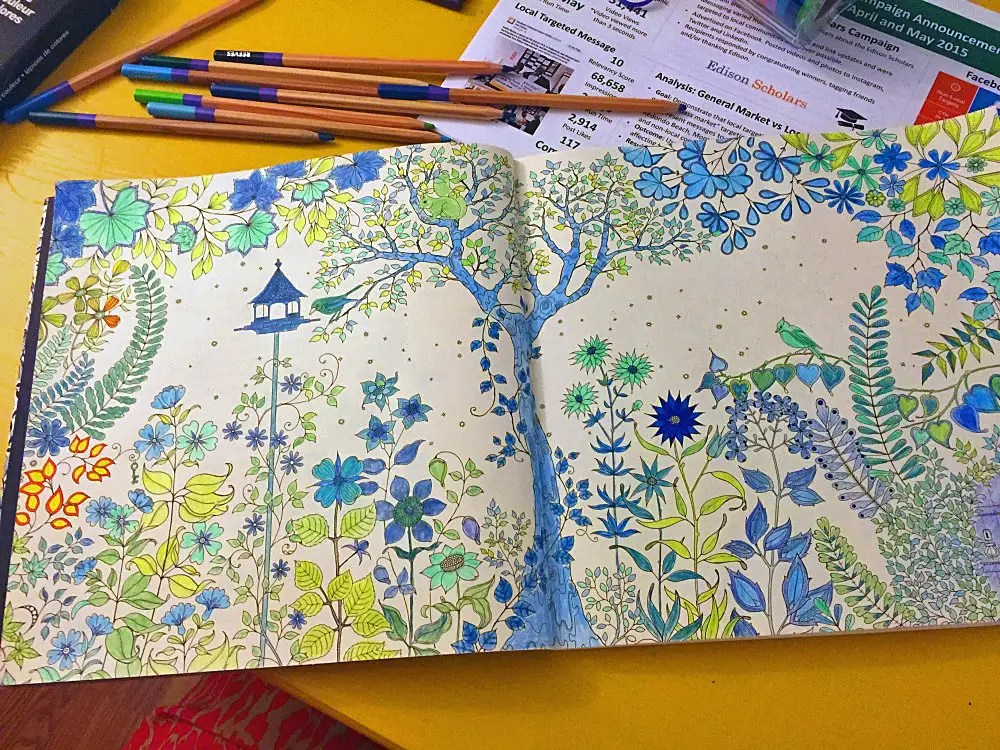
Top 10 Why Coloring Is Important 2020

Why colouring is good for you » The Makers Collective


