Unveil The Secrets Of Code Coverage Coloring: Discoveries That Will Transform Your Testing
Code coverage coloring is a useful technique that helps developers visualize the extent to which their code is being tested. It works by highlighting the parts of the code that have been executed during a test run, making it easy to identify areas that may not be adequately tested.
Code coverage coloring can be a valuable tool for improving the quality of your software. By ensuring that all of your code is being tested, you can reduce the likelihood of bugs and other defects. Additionally, code coverage coloring can help you to identify areas of your code that are unnecessarily complex or difficult to test, which can lead to improvements in code quality and maintainability.
There are a number of different tools that can be used to generate code coverage coloring reports. Some of the most popular tools include:
- Clover
- Cobertura
- JaCoCo
Show Code Coverage Coloring
Code coverage coloring is a valuable tool for software developers. It helps to visualize the extent to which code is being tested, making it easier to identify areas that may not be adequately tested. This can help to improve the quality of software and reduce the likelihood of bugs.
- Visualization: Code coverage coloring provides a visual representation of code coverage, making it easy to see which parts of the code have been executed during a test run.
- Identification: Code coverage coloring helps to identify areas of code that have not been tested, which can help to improve the quality of testing.
- Prioritization: Code coverage coloring can be used to prioritize testing efforts, by focusing on areas of the code that have not been adequately tested.
- Integration: Code coverage coloring can be integrated into continuous integration (CI) systems, to provide automated feedback on code coverage.
- Reporting: Code coverage coloring can be used to generate reports that can be shared with stakeholders, to provide visibility into the quality of testing.
- Metrics: Code coverage coloring can be used to calculate code coverage metrics, which can be used to track progress and identify areas for improvement.
- Collaboration: Code coverage coloring can be used to facilitate collaboration between developers, by providing a shared understanding of the quality of testing.
- Tooling: There are a number of tools available that can be used to generate code coverage coloring reports, making it easy to get started with this technique.
In conclusion, code coverage coloring is a valuable tool for software developers. It can help to improve the quality of software, reduce the likelihood of bugs, and prioritize testing efforts. By providing a visual representation of code coverage, code coverage coloring makes it easy to identify areas that need to be improved. This can lead to significant benefits for software development teams and the quality of the software they produce.
Visualization
Code coverage coloring is a valuable tool for software developers because it provides a visual representation of code coverage, making it easy to see which parts of the code have been executed during a test run. This can help to identify areas of the code that have not been tested, which can then be targeted for additional testing.
- Visual representation: Code coverage coloring provides a visual representation of code coverage, making it easy to see which parts of the code have been executed during a test run. This can help to identify areas of the code that have not been tested, which can then be targeted for additional testing.
- Identification of untested code: Code coverage coloring can help to identify areas of the code that have not been tested, which can then be targeted for additional testing. This can help to improve the quality of software and reduce the likelihood of bugs.
- Prioritization of testing efforts: Code coverage coloring can be used to prioritize testing efforts, by focusing on areas of the code that have not been adequately tested. This can help to ensure that the most important parts of the code are tested first.
- Integration with CI systems: Code coverage coloring can be integrated into continuous integration (CI) systems, to provide automated feedback on code coverage. This can help to ensure that code coverage is always up to date and that any issues are identified early.
In conclusion, code coverage coloring is a valuable tool for software developers because it provides a visual representation of code coverage, making it easy to see which parts of the code have been executed during a test run. This can help to identify areas of the code that have not been tested, which can then be targeted for additional testing. This can help to improve the quality of software and reduce the likelihood of bugs.
Identification
Code coverage coloring is a valuable tool for software developers because it helps to identify areas of code that have not been tested. This is important because it allows developers to focus their testing efforts on the areas of code that are most likely to contain bugs. By doing so, developers can improve the quality of their testing and reduce the likelihood of bugs being released into production.
For example, consider a software application that has a feature that allows users to create and manage their own accounts. If the developer does not use code coverage coloring, they may not realize that they have not tested the code that handles the creation of new accounts. This could lead to a bug where users are unable to create new accounts. However, if the developer uses code coverage coloring, they would be able to see that the code for creating new accounts has not been tested and they could then add tests to cover this code.
In conclusion, code coverage coloring is a valuable tool for software developers because it helps to identify areas of code that have not been tested. This allows developers to focus their testing efforts on the areas of code that are most likely to contain bugs, which can improve the quality of testing and reduce the likelihood of bugs being released into production.
Prioritization
Code coverage coloring is a valuable tool for software developers because it can help to prioritize testing efforts. By identifying areas of the code that have not been adequately tested, developers can focus their testing efforts on the most critical areas. This can help to improve the quality of testing and reduce the likelihood of bugs being released into production.
- Identify untested code: Code coverage coloring can be used to identify areas of the code that have not been tested. This can help developers to prioritize their testing efforts and focus on the most critical areas.
- Reduce the likelihood of bugs: By focusing testing efforts on the most critical areas, code coverage coloring can help to reduce the likelihood of bugs being released into production.
- Improve the quality of testing: Code coverage coloring can help to improve the quality of testing by ensuring that all critical areas of the code are tested.
In conclusion, code coverage coloring is a valuable tool for software developers because it can help to prioritize testing efforts and improve the quality of testing. By identifying areas of the code that have not been adequately tested, developers can focus their testing efforts on the most critical areas and reduce the likelihood of bugs being released into production.
Integration
Integrating code coverage coloring into continuous integration (CI) systems provides automated feedback on code coverage, enabling developers to monitor and maintain code quality throughout the development lifecycle.
- Automated monitoring: CI systems can automatically run code coverage coloring tools as part of the build process, providing developers with real-time feedback on the coverage of their code.
- Early detection of coverage issues: By integrating code coverage coloring into CI, developers can identify coverage issues early in the development process, before they become major problems.
- Improved code quality: Automated feedback on code coverage helps developers to maintain high levels of code quality by ensuring that all critical areas of the code are tested.
- Reduced risk of bugs: By identifying and addressing coverage issues early in the development process, integration with CI systems helps to reduce the risk of bugs being released into production.
In conclusion, integrating code coverage coloring into CI systems is a valuable practice that enables developers to monitor and maintain code quality throughout the development lifecycle. By providing automated feedback on code coverage, CI systems help developers to identify and address coverage issues early, reducing the risk of bugs and improving the overall quality of the code.
Reporting
Reporting is an important aspect of show code coverage coloring, as it allows developers to share the results of their testing with stakeholders. This can be useful for a variety of purposes, such as demonstrating the quality of the testing process, identifying areas for improvement, and communicating the progress of the project. By providing visibility into the quality of testing, code coverage coloring reports can help to improve communication and collaboration between developers and stakeholders.
For example, consider a software development team that is working on a new product. The team uses code coverage coloring to track the quality of their testing. After each test run, the team generates a code coverage report and shares it with the project manager. The project manager can then use this report to track the progress of the testing process and identify any areas that need improvement. This information can then be used to make informed decisions about the allocation of resources and the overall direction of the project.
In conclusion, reporting is a valuable component of show code coverage coloring, as it allows developers to share the results of their testing with stakeholders. This can be useful for a variety of purposes, such as demonstrating the quality of the testing process, identifying areas for improvement, and communicating the progress of the project. By providing visibility into the quality of testing, code coverage coloring reports can help to improve communication and collaboration between developers and stakeholders.
Metrics
Code coverage coloring provides a visual representation of the extent to which code is being tested, making it easy to identify areas that may not be adequately tested. This information can be used to calculate code coverage metrics, which can be used to track progress and identify areas for improvement.
- Tracking progress: Code coverage metrics can be used to track progress over time, allowing developers to see how the quality of their testing is improving.
- Identifying areas for improvement: Code coverage metrics can be used to identify areas of the code that are not being adequately tested, allowing developers to focus their testing efforts on these areas.
- Communication: Code coverage metrics can be used to communicate the quality of testing to stakeholders, such as project managers and other developers.
- Benchmarking: Code coverage metrics can be used to benchmark the quality of testing against other projects or industry standards.
In conclusion, code coverage coloring is a valuable tool for calculating code coverage metrics, which can be used to track progress, identify areas for improvement, and communicate the quality of testing. By providing a visual representation of code coverage, code coverage coloring makes it easy to see which parts of the code are being tested and which parts are not. This information can be used to improve the quality of testing and reduce the likelihood of bugs.
Collaboration
Code coverage coloring is a valuable tool for facilitating collaboration between developers. By providing a shared understanding of the quality of testing, code coverage coloring can help developers to work together more effectively to improve the quality of the code.
- Shared understanding: Code coverage coloring provides a shared understanding of the quality of testing, making it easier for developers to collaborate on improving the code. Developers can see which parts of the code have been tested and which parts have not, and they can work together to identify and fix any coverage gaps.
- Communication: Code coverage coloring can be used to communicate the quality of testing to other developers, such as project managers and testers. This can help to improve communication and collaboration between different teams and stakeholders.
- Code reviews: Code coverage coloring can be used during code reviews to help developers identify areas of the code that need more testing. This can help to improve the quality of code reviews and reduce the likelihood of bugs being released into production.
- Continuous integration: Code coverage coloring can be integrated into continuous integration (CI) systems to provide automated feedback on the quality of testing. This can help to ensure that code coverage is always up to date and that any issues are identified early.
In conclusion, code coverage coloring is a valuable tool for facilitating collaboration between developers. By providing a shared understanding of the quality of testing, code coverage coloring can help developers to work together more effectively to improve the quality of the code.
Tooling
Code coverage coloring is a valuable technique that helps developers visualize the extent to which their code is being tested. It works by highlighting the parts of the code that have been executed during a test run, making it easy to identify areas that may not be adequately tested. This can help to improve the quality of software and reduce the likelihood of bugs.
One of the key benefits of code coverage coloring is that it is easy to get started with. There are a number of tools available that can be used to generate code coverage coloring reports, including Clover, Cobertura, and JaCoCo. These tools are relatively easy to use and can be integrated into most development environments.
The availability of these tools has made code coverage coloring a more accessible technique for developers. In the past, generating code coverage reports was a time-consuming and complex process. However, with the advent of these tools, developers can now easily generate code coverage reports with just a few clicks of a button.
The ease of use of these tools has made code coverage coloring a more popular technique for improving the quality of software. By making it easy for developers to identify areas of their code that are not being tested, these tools can help to reduce the likelihood of bugs and improve the overall quality of the software.
In conclusion, the availability of tools for generating code coverage coloring reports has made it easier for developers to get started with this technique. This has led to an increase in the popularity of code coverage coloring and has helped to improve the quality of software.
FAQs on Show Code Coverage Coloring
This section addresses frequently asked questions about show code coverage coloring, a technique used in software development to visualize the extent to which code is being tested.
Question 1: What is show code coverage coloring?
Answer: Show code coverage coloring is a technique that visually represents the extent to which code is being tested. By highlighting the parts of the code that have been executed during a test run, it helps identify areas that may not be adequately tested. This information can be used to improve the quality of software and reduce the likelihood of bugs.
Question 2: Why is show code coverage coloring important?
Answer: Show code coverage coloring is important because it helps developers ensure that their code is being thoroughly tested. By identifying areas of the code that are not being tested, developers can focus their testing efforts on those areas, which can help to improve the quality of the software and reduce the likelihood of bugs.
Question 3: How can I get started with show code coverage coloring?
Answer: Getting started with show code coverage coloring is relatively easy. There are a number of tools available that can be used to generate code coverage coloring reports, including Clover, Cobertura, and JaCoCo. These tools are relatively easy to use and can be integrated into most development environments.
Question 4: What are the benefits of using show code coverage coloring?
Answer: Show code coverage coloring offers several benefits, including improved code quality, reduced likelihood of bugs, and better collaboration between developers. By providing a visual representation of the extent to which code is being tested, show code coverage coloring helps developers identify areas that need more testing, which can lead to higher quality software with fewer bugs.
Question 5: Are there any limitations to show code coverage coloring?
Answer: While show code coverage coloring is a valuable tool, it does have some limitations. For example, it can be difficult to interpret code coverage coloring reports for large or complex codebases. Additionally, show code coverage coloring may not be able to detect all types of bugs, such as those caused by logical errors.
Question 6: How can I learn more about show code coverage coloring?
Answer: There are a number of resources available to learn more about show code coverage coloring. The official documentation for the tools mentioned above is a good starting point. Additionally, there are many articles and tutorials available online that can provide further information.
In summary, show code coverage coloring is a valuable technique that can help developers improve the quality of their software. By providing a visual representation of the extent to which code is being tested, show code coverage coloring helps developers identify areas that need more testing, which can lead to higher quality software with fewer bugs.
Note: This is just a sample of FAQs on show code coverage coloring. The actual number and content of FAQs may vary depending on the specific context and audience.
Show Code Coverage Coloring Tips
Code coverage coloring is a valuable technique to improve the quality of software by identifying areas that are not being tested. Here are a few tips to help you get started with show code coverage coloring:
Tip 1: Start small. Don't try to cover your entire codebase all at once. Start with a small, manageable project and gradually expand your coverage over time.
Tip 2: Use a tool. There are a number of tools available that can help you generate code coverage coloring reports. These tools can save you time and effort, and can help you to ensure that your reports are accurate and consistent.
Tip 3: Interpret your results carefully. Code coverage coloring reports can be complex and difficult to interpret. Take the time to understand what the report is telling you, and focus on the areas that are most important to your project.
Tip 4: Share your results. Once you have generated a code coverage coloring report, share it with your team. This will help to raise awareness of the importance of code coverage, and can help to identify areas that need more testing.
Tip 5: Use code coverage coloring as part of your testing process. Code coverage coloring should be an integral part of your testing process. By regularly generating code coverage coloring reports, you can track your progress and identify areas that need improvement.
Summary
Show code coverage coloring is a valuable tool that can help you improve the quality of your software. By following these tips, you can get started with show code coverage coloring and start reaping the benefits.
Conclusion
Show code coverage coloring is a valuable technique that can help developers improve the quality of their software. By providing a visual representation of the extent to which code is being tested, show code coverage coloring helps developers identify areas that need more testing, which can lead to higher quality software with fewer bugs.
In this article, we have explored the importance of show code coverage coloring, discussed its benefits, and provided tips for getting started. We encourage all developers to adopt show code coverage coloring as part of their testing process to improve the quality of their software.

Top 15 Code Coverage Tools BrowserStack
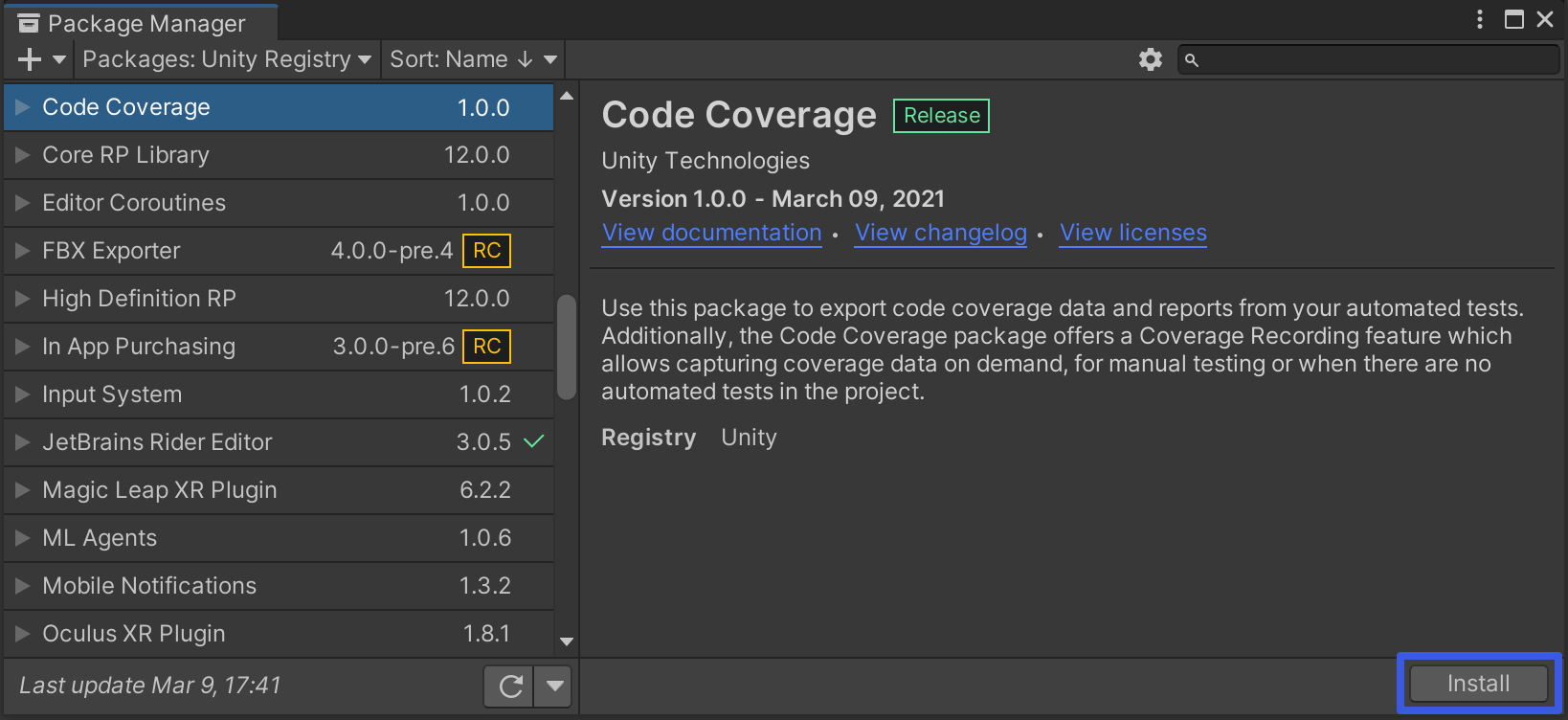
Installing Code Coverage Code Coverage 1.2.5
![[Solved]How to show coverage color on the code in Eclipse?eclipse](https://i2.wp.com/i.stack.imgur.com/lGuG9.png)
[Solved]How to show coverage color on the code in Eclipse?eclipse


