Discover The Secrets: Coloring Hair Without Bleach - Unveiling Natural Beauty
Coloring hair without bleach refers to the process of altering the hair's color without using bleach, a chemical agent that lightens the hair by removing its natural pigment. This technique involves using hair dyes that deposit color onto the hair shaft without significantly lifting the hair's natural color.
Opting to color hair without bleach offers several advantages. Firstly, it is a gentler approach that preserves the hair's integrity, reducing the risk of hair damage, breakage, and dryness often associated with bleach. Additionally, it allows for more subtle and natural-looking color transformations, as the hair's natural undertones remain intact. This technique is particularly suitable for those seeking to enhance their hair color with richer tones or cover gray hairs without drastically changing their overall hair color.
The effectiveness of coloring hair without bleach depends on various factors, including the desired color change, the hair's natural color, and porosity. For significant color changes or to achieve vibrant fashion colors, bleach may still be necessary to lighten the hair sufficiently before applying the desired color. However, for more subtle color enhancements or when maintaining hair health is a priority, coloring without bleach is a viable and beneficial option.
Is It Okay to Color Hair Without Bleach?
Coloring hair without bleach has gained popularity as a gentler and more natural approach to hair coloring. Here are eight key aspects to consider when exploring this technique:
- Preserves hair health: Avoids damage, breakage, and dryness caused by bleach.
- Subtle and natural results: Maintains hair's natural undertones for a more blended look.
- Covers gray hairs: Effectively conceals gray hairs without drastic color changes.
- Limited color change: May not achieve dramatic color transformations or vibrant fashion colors.
- Depends on hair porosity: More porous hair absorbs color better, resulting in more noticeable results.
- Can be combined with bleach: For more significant color changes, bleach may be used in combination.
- Requires regular touch-ups: Color may fade faster compared to bleached hair.
- Professional guidance recommended: Ensures proper application and color selection.
Ultimately, the decision of whether to color hair without bleach depends on individual hair goals and preferences. For those prioritizing hair health and seeking natural-looking color enhancements, coloring without bleach is a viable option. It allows for subtle color changes, preserves hair integrity, and effectively covers gray hairs. However, for more drastic color transformations or vibrant fashion colors, bleach may still be necessary to achieve the desired results.
Preserves hair health
Opting to color hair without bleach is a hair-health conscious choice. Bleach, a chemical agent used in hair coloring, can lead to various hair concerns. It works by breaking down the hair's natural pigment, melanin, to lighten the hair. However, this process can also weaken the hair's structure, making it more prone to damage, breakage, and dryness.
- Structural damage: Bleach can damage the hair's cuticle, the outermost layer, and the cortex, the inner layer. This damage can manifest as split ends, breakage, and a loss of elasticity.
- Loss of moisture: Bleach can strip the hair of its natural oils, leading to dryness and a lackluster appearance. Dry hair is more susceptible to breakage and tangling.
- Increased porosity: Bleach can increase the porosity of the hair, making it more susceptible to environmental damage and color fading.
Coloring hair without bleach helps preserve hair health by avoiding these damaging effects. It allows for more gentle color changes, maintaining the hair's natural integrity and strength.
Subtle and natural results
Coloring hair without bleach offers a unique advantage in achieving subtle and natural-looking color results. Unlike bleach, which lifts the hair's natural pigment to create a blank canvas for new color, coloring without bleach works by depositing color onto the hair shaft without significantly altering its natural undertones.
- Preservation of natural depth: By maintaining the hair's natural depth, coloring without bleach allows for more blended and harmonious color transitions. The resulting color appears more natural and less artificial, as it complements the hair's inherent tones.
- Enhanced dimension: Coloring without bleach can enhance the hair's natural dimension by adding subtle highlights or lowlights. These subtle color variations mimic the natural variations found in virgin hair, creating a more dynamic and multifaceted look.
- Gradual color changes: Coloring without bleach allows for gradual color changes over time. As the color fades, it blends seamlessly with the hair's natural color, eliminating the need for harsh touch-ups or demarcation lines.
- Suitable for various hair types: Coloring without bleach is a versatile technique that suits various hair types and textures. It is particularly beneficial for those with fine or fragile hair, as it avoids the potential damage caused by bleach.
In essence, coloring hair without bleach is an effective way to achieve subtle and natural-looking color transformations that blend seamlessly with the hair's natural undertones. It preserves hair health, enhances dimension, and allows for gradual color changes, making it a popular choice for those seeking a more natural and low-maintenance approach to hair coloring.
Covers gray hairs
Covering gray hairs is a common concern for many individuals as they age. Gray hairs occur due to a decrease in melanin production, the pigment responsible for hair color. While traditional hair coloring methods often involve bleach to lift the hair's natural color, coloring without bleach offers a gentler and more natural approach to concealing gray hairs.
- Permanent hair dyes: Permanent hair dyes deposit color deep into the hair shaft, effectively covering gray hairs and providing long-lasting results. They come in a wide range of shades, allowing for customization to match the desired hair color.
- Demi-permanent hair dyes: Demi-permanent hair dyes penetrate the hair shaft less deeply than permanent dyes, resulting in a more gradual and natural-looking coverage of gray hairs. They typically last for several weeks and fade gradually, blending seamlessly with the hair's natural color as it grows.
- Temporary hair dyes: Temporary hair dyes provide a quick and easy way to cover gray hairs, but they only last for a few washes. They are ideal for those who want to experiment with different colors or touch up their roots between coloring appointments.
- Natural hair dyes: Natural hair dyes, such as henna and walnut husks, offer a more natural and gentle approach to covering gray hairs. They deposit color on the hair's surface, gradually building up coverage over time.
Coloring hair without bleach allows for a more subtle and natural-looking coverage of gray hairs. By maintaining the hair's natural undertones, it avoids the harsh demarcation lines that can occur with traditional bleaching methods. Additionally, it preserves hair health, as it does not involve the use of harsh chemicals that can damage the hair shaft.
Limited color change
Coloring hair without bleach has its limitations, particularly when it comes to achieving dramatic color transformations or vibrant fashion colors. Bleach plays a crucial role in hair coloring by lifting the hair's natural pigment, allowing for more significant color changes. Without bleach, the color deposited on the hair is limited by the hair's natural color and porosity.
For instance, if someone with dark brown hair desires platinum blonde hair, bleach is necessary to lighten the hair several levels before the desired blonde color can be achieved. Coloring without bleach in this case would result in a more subtle color change, such as a few shades lighter or adding warm tones to the hair.
Similarly, achieving vibrant fashion colors like blue, green, or pink requires pre-lightening the hair to a very pale yellow or white level. Without bleach, these colors may not show up or may appear muted and less vibrant.
Understanding this limitation is crucial when considering coloring hair without bleach. It helps manage expectations and ensures that individuals are aware of the potential outcomes. While coloring without bleach offers many benefits, it may not be suitable for those seeking drastic color transformations or vibrant fashion colors.
Depends on hair porosity
Hair porosity plays a crucial role in determining the effectiveness of coloring hair without bleach. Porosity refers to the hair's ability to absorb and retain moisture and color. More porous hair has a raised cuticle, allowing color molecules to penetrate more easily, resulting in more noticeable color results.
- High porosity: Highly porous hair absorbs color quickly and deeply, producing more vibrant and long-lasting results. This type of hair benefits from coloring without bleach, as the color can easily deposit and adhere to the hair shaft.
- Low porosity: Low porosity hair has a tightly closed cuticle, making it more resistant to color absorption. Coloring without bleach on low porosity hair may result in less noticeable color changes, and the color may fade more quickly.
Understanding hair porosity is essential when considering coloring hair without bleach. Individuals with highly porous hair can expect more noticeable color results, while those with low porosity hair may need to consider alternative methods or use bleach to achieve their desired color.
Can be combined with bleach
Coloring hair without bleach has its limitations, particularly when seeking dramatic color transformations or vibrant fashion colors. In such cases, combining bleach with hair coloring can be an effective approach to achieve the desired results.
Bleach acts as a pre-lightening agent, removing the hair's natural pigment to create a lighter base. This pre-lightening process allows the subsequent hair dye to deposit color more effectively, resulting in more noticeable and vibrant color changes. For instance, if someone with dark brown hair desires platinum blonde hair, bleach is necessary to lighten the hair several levels before the desired blonde color can be achieved.
Understanding the role of bleach in hair coloring helps individuals make informed decisions about their hair coloring journey. It is important to note that bleach can damage the hair if not used properly, so it is crucial to consult with a professional hairstylist to determine the best course of action based on individual hair type and desired results.
Requires regular touch-ups
When exploring the topic of "is it okay to color hair without bleach," understanding the potential need for regular touch-ups is crucial. Coloring hair without bleach, while offering several benefits, may result in color fading at a faster rate compared to bleached hair.
- Color molecule size and penetration: Bleach, by lifting the hair's cuticle, allows smaller color molecules to penetrate deeper into the hair shaft. These smaller molecules form stronger bonds with the hair, resulting in longer-lasting color. In contrast, coloring without bleach involves depositing larger color molecules onto the hair's surface, which may not penetrate as deeply, leading to faster fading.
- Hair porosity: The porosity of the hair also influences color longevity. Bleached hair tends to have higher porosity due to the lifting process, allowing color molecules to penetrate more easily and become more deeply embedded in the hair shaft. This increased porosity contributes to better color retention.
- Environmental factors: External factors such as sun exposure, heat styling, and chemical treatments can contribute to color fading. Bleached hair, due to its more porous nature, may be more susceptible to damage from these factors, leading to color loss.
- Color choice: The choice of hair color can also impact fading. Fashion colors and vibrant shades tend to fade more quickly than natural shades, regardless of whether bleach is used. This is because these colors require more artificial pigments, which are more prone to fading.
Considering these factors, it is important to weigh the benefits of coloring hair without bleach against the potential need for more frequent touch-ups. For those seeking long-lasting, vibrant color results, bleach may be a necessary step in the coloring process.
Professional guidance recommended
Seeking professional guidance when considering coloring hair without bleach is highly recommended. While it may seem like a relatively straightforward process, there are several factors to consider to ensure successful and desirable results.
- Understanding hair type and condition: A professional hairstylist can assess the individual's hair type, texture, porosity, and condition. This assessment helps determine the most suitable hair coloring technique and products to use, minimizing the risk of damage or unsatisfactory results.
- Color selection and formulation: Choosing the right hair color shade and formulation is crucial for achieving the desired outcome. A professional can guide the individual in selecting a color that complements their skin tone, eye color, and overall style. They can also customize the hair color formula to suit the individual's hair type and condition, ensuring optimal color deposit and longevity.
- Proper application technique: Applying hair color correctly is essential to achieve even coverage, avoid scalp irritation, and prevent damage to the hair. A professional hairstylist is trained in proper application techniques, ensuring the color is applied precisely and evenly throughout the hair.
- Aftercare and maintenance: Professional guidance extends beyond the initial coloring process. A hairstylist can provide personalized advice on how to care for and maintain colored hair, including recommended products, styling techniques, and touch-up schedules. This guidance helps individuals maintain healthy, vibrant hair color for longer.
Overall, seeking professional guidance when coloring hair without bleach is highly beneficial. It ensures proper application, color selection, and aftercare, increasing the likelihood of achieving the desired results while minimizing the risk of hair damage or disappointment.
FAQs on Coloring Hair Without Bleach
For those considering coloring hair without bleach, the following frequently asked questions provide valuable insights and address common concerns:
Question 1: What are the benefits of coloring hair without bleach?Coloring hair without bleach preserves hair health by avoiding potential damage caused by bleach. It allows for more subtle and natural-looking color transformations, effectively covers gray hairs, and is suitable for various hair types, including fine or fragile hair.
Question 2: Are there any limitations to coloring hair without bleach?Coloring hair without bleach may not achieve dramatic color transformations or vibrant fashion colors that require significant lightening. It is also important to consider hair porosity, as more porous hair absorbs color better, resulting in more noticeable results.
Question 3: Can bleach be combined with hair coloring?Yes, bleach can be used in combination with hair coloring to achieve more significant color changes. However, it is essential to understand the potential risks of hair damage associated with bleach and to consult with a professional hairstylist for guidance.
Question 4: How long does hair color last when coloring without bleach?The longevity of hair color when coloring without bleach depends on several factors, including hair porosity, color choice, and environmental factors. Generally, color may fade faster compared to bleached hair due to the use of larger color molecules that may not penetrate as deeply into the hair shaft.
Question 5: Is professional guidance recommended when coloring hair without bleach?Yes, seeking professional guidance is highly recommended. A hairstylist can assess hair type and condition, select the appropriate color and formulation, apply the color correctly, and provide personalized aftercare advice to ensure optimal results and minimize the risk of hair damage.
Question 6: What are some tips for maintaining colored hair without bleach?To maintain colored hair without bleach, it is important to use color-safe shampoos and conditioners, avoid excessive heat styling, and protect hair from sun exposure. Regular trims can also help remove split ends and keep hair healthy.
In conclusion, coloring hair without bleach offers several benefits and considerations. Understanding the limitations, potential need for touch-ups, and importance of professional guidance is crucial for making informed decisions and achieving satisfactory results.
Proceed to the next section for further insights into hair coloring techniques.
Tips for Coloring Hair Without Bleach
Coloring hair without bleach requires careful consideration and proper techniques to achieve desirable results while preserving hair health. Here are some essential tips to guide you through the process:
Tip 1: Consult a Professional
Seek guidance from a professional hairstylist to assess your hair type, condition, and desired color outcome. They can provide expert advice on color selection, application, and aftercare to minimize the risk of damage and ensure satisfactory results.
Tip 2: Choose the Right Products
Opt for high-quality, color-depositing hair dyes specifically designed for use without bleach. These dyes are formulated to gently enhance or change hair color without compromising its integrity.
Tip 3: Test a Strand
Before applying the color to your entire head, test it on a small, inconspicuous strand of hair. This allows you to assess the color's compatibility with your hair and make any necessary adjustments to the formula or application time.
Tip 4: Apply Evenly and Thoroughly
Ensure even color distribution by applying the dye thoroughly from roots to tips. Use a brush or comb to ensure consistent coverage and avoid patchiness. Allow the color to process according to the manufacturer's instructions.
Tip 5: Rinse and Condition
Once the processing time is complete, rinse your hair thoroughly with cool water to remove any residual dye. Follow with a deep conditioning treatment to restore moisture and enhance hair's overall health.
Tip 6: Protect and Maintain
Protect your colored hair from environmental stressors such as UV rays and heat styling tools. Use color-safe shampoos and conditioners, and avoid excessive washing to minimize fading and preserve the color's vibrancy.
Summary
Coloring hair without bleach can be a rewarding experience when done correctly. By following these tips, you can enhance or change your hair color while maintaining its health and integrity. Remember to consult a professional, choose appropriate products, and follow proper application and aftercare techniques to achieve the best possible results.
Conclusion
Exploring the topic of "is it okay to color hair without bleach" reveals a comprehensive understanding of the technique, its benefits, and considerations. Coloring hair without bleach offers a gentler approach to hair coloring, preserving hair health and allowing for more natural-looking color transformations. It is particularly suitable for those seeking to enhance their natural hair color, cover gray hairs, or achieve subtle color changes.
While coloring without bleach has its limitations regarding dramatic color changes and vibrant fashion colors, it remains a viable option for individuals prioritizing hair health and natural-looking results. Understanding hair porosity, choosing appropriate products, and following proper application techniques are crucial for achieving satisfactory outcomes.
Remember to consult with a professional hairstylist for personalized guidance and expert advice throughout the coloring process. By embracing the benefits and considerations of coloring hair without bleach, individuals can make informed decisions and achieve their desired hair color while maintaining hair health and integrity.

Hair Color For Dark Hair Without Bleaching Brown Zachery
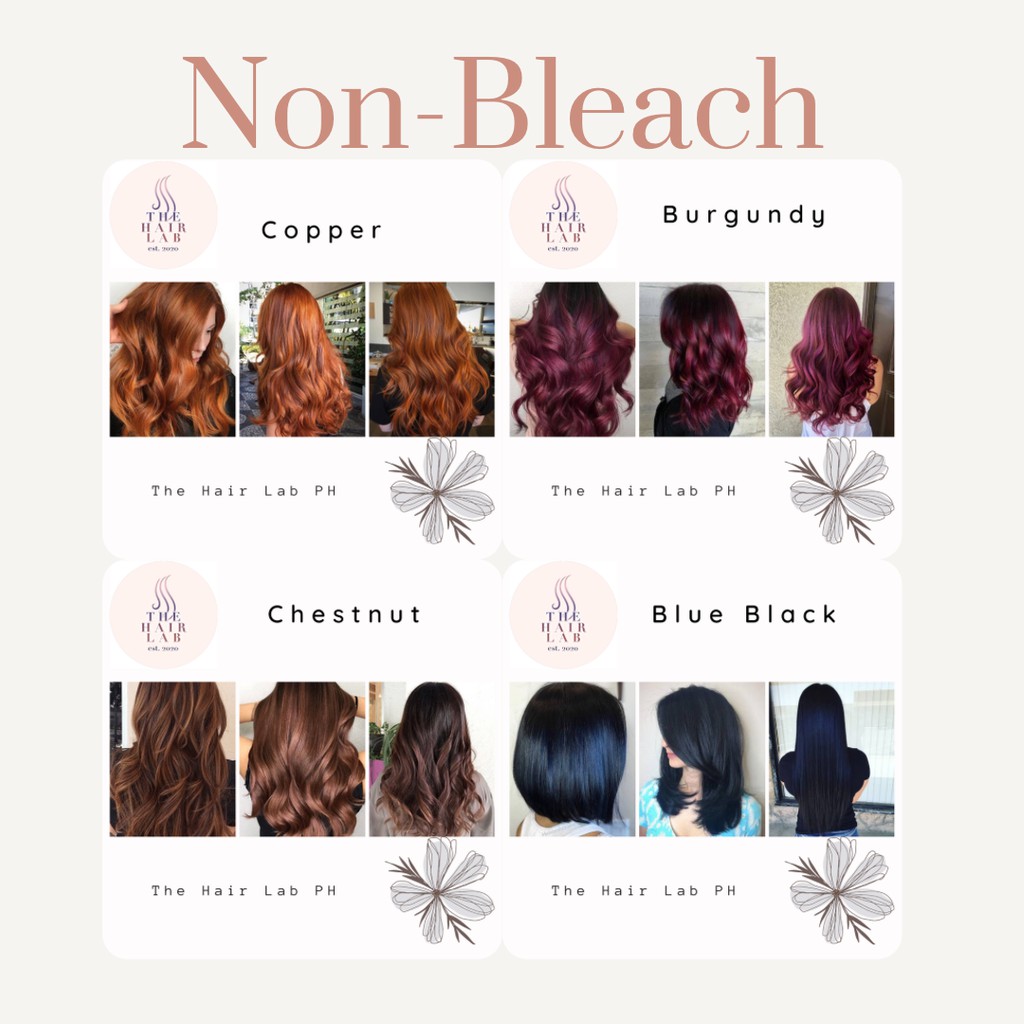
NON BLEACH COLORS THE HAIR LAB PH Shopee Philippines

Review Of Stripping Hair Color Without Bleach 2023


