Unveil The Secrets Of Iphone Color Correction: A Transformative Guide
When discussing image editing on iPhones, "fixing coloring" refers to adjusting and enhancing the colors within a digital image to improve its visual appeal and accuracy. This process involves manipulating various color parameters such as hue, saturation, and contrast to achieve the desired color balance and vibrancy.
Color correction is essential in photography and digital art to ensure that the colors in an image accurately represent the intended subject or scene. It can also be used to create specific moods or atmospheres, or to correct for color shifts caused by factors such as lighting conditions or camera settings.
There are numerous photo editing apps available for iPhones that offer a range of color correction tools. These apps typically provide intuitive sliders or dials that allow users to adjust the hue, saturation, and contrast of an image with precision. Some apps also offer advanced features such as color curves and selective color correction, which provide even greater control over the color editing process.
How to Fix Coloring on iPhone
Color correction is an essential aspect of digital photography, allowing users to adjust and enhance the colors in an image to achieve the desired visual appeal and accuracy. Here are eight key aspects to consider when fixing coloring on iPhone:
- Hue: The base color of an object or light.
- Saturation: The intensity or purity of a color.
- Contrast: The difference between the lightest and darkest areas of an image.
- Temperature: The warmth or coolness of a color.
- Tint: A slight variation in hue.
- Vibrance: The intensity of the colors in an image.
- Shadows: The dark areas of an image.
- Highlights: The light areas of an image.
By understanding and manipulating these key aspects, users can effectively fix coloring on iPhone to improve the overall quality and impact of their images. For example, adjusting the hue can correct for color casts or create specific moods, while adjusting the saturation can enhance or reduce the intensity of colors. Adjusting the contrast can improve the depth and definition of an image, while adjusting the temperature can create a warmer or cooler atmosphere. By carefully considering each of these aspects, users can achieve precise and professional-looking color correction results on their iPhone.
Hue
Hue refers to the pure color of an object, independent of its saturation or lightness. It is one of the three key components of the HSV (hue, saturation, value) color model, which is widely used in digital image editing, including on iPhones.
- Adjusting Hue:
Adjusting the hue of an image on iPhone allows users to change the base color of objects or light. This can be useful for correcting color casts, creating specific moods or atmospheres, or simply experimenting with different color combinations.
- Color Harmony:
Understanding hue is essential for achieving color harmony in an image. By carefully selecting and adjusting the hues of different elements, users can create visually pleasing and balanced compositions.
- Color Correction:
Hue adjustment is a fundamental tool for color correction in photography. It allows users to correct for color shifts caused by factors such as lighting conditions or camera settings, ensuring that the colors in an image accurately represent the intended subject or scene.
- Creative Effects:
Hue adjustment can also be used to create creative effects in digital art. By shifting the hues of objects or entire scenes, users can create surreal or otherworldly atmospheres, or explore different color palettes and combinations.
By understanding and manipulating hue, users can effectively fix coloring on iPhone and achieve precise and professional-looking results. Whether it's correcting color casts, creating specific moods, or experimenting with different color combinations, adjusting hue is a versatile tool that can greatly enhance the visual appeal and impact of images.
Saturation
In the context of digital image editing on iPhones, saturation refers to the intensity or purity of a color. It is one of the three key components of the HSV (hue, saturation, value) color model, which is widely used in digital photography and editing applications.
Adjusting the saturation of an image allows users to control the vividness and depth of colors. Increasing the saturation can make colors appear more intense and vibrant, while decreasing the saturation can create a more muted or desaturated look.
Saturation plays a crucial role in color correction and image enhancement on iPhones. By carefully adjusting the saturation of different elements within an image, users can correct for color casts, improve the overall color balance, and create specific moods or atmospheres.
For instance, increasing the saturation of a landscape image can make the colors of the sky and vegetation appear more vibrant and saturated, creating a more visually appealing and dramatic effect. Conversely, decreasing the saturation of a portrait image can create a more subtle andlook, reducing the intensity of skin tones and other colors.
Understanding and manipulating saturation is essential for achieving professional-looking results when fixing coloring on iPhone. By carefully adjusting the saturation of different elements within an image, users can enhance the visual appeal, correct for color casts, and create specific moods or atmospheres, resulting in more impactful and visually pleasing images.
Contrast
Contrast is a fundamental aspect of visual perception and plays a crucial role in image editing, including on iPhones. It refers to the difference between the lightest and darkest areas of an image, and is responsible for creating depth, dimension, and visual interest.
In the context of "fixing coloring on iPhone," contrast is particularly important for achieving accurate and visually appealing results. By adjusting the contrast of an image, users can enhance the visibility and distinction of different elements, improve the overall color balance, and create a more dynamic and impactful composition.
For example, increasing the contrast of a landscape image can make the mountains and trees appear more defined and prominent, while decreasing the contrast can create a softer and more subtle look. Similarly, adjusting the contrast of a portrait image can enhance the definition of facial features and improve the overall clarity of the subject.
Understanding and manipulating contrast is essential for photographers and digital artists who want to create visually pleasing and professional-looking images on their iPhones. By carefully adjusting the contrast of different elements within an image, users can control the overall mood and atmosphere, correct for exposure errors, and achieve a more balanced and visually appealing composition.
Temperature
Temperature, in the context of color theory and digital image editing, refers to the perceived warmth or coolness of a color. It is an essential aspect of "fixing coloring on iPhone" as it allows users to adjust the overall mood and atmosphere of an image, enhance the visual appeal of colors, and correct for color casts or imbalances.
- Color Temperature and Mood:
Color temperature plays a crucial role in conveying mood and atmosphere in an image. Warm colors, such as reds, oranges, and yellows, are often associated with feelings of warmth, energy, and excitement. Cool colors, such as blues, greens, and purples, are often associated with feelings of coolness, serenity, and tranquility. By adjusting the temperature of an image, users can create a specific mood or atmosphere that aligns with the intended message or theme of the image.
- Color Temperature and Visual Appeal:
Color temperature can also be used to enhance the visual appeal of colors in an image. Adjusting the temperature can make colors appear more vibrant and saturated, or more muted and subtle. For example, increasing the temperature of a landscape image can make the colors of the sky and vegetation appear more warm and inviting, while decreasing the temperature can create a cooler and more refreshing look.
- Color Temperature and Color Correction:
Color temperature is an important factor in color correction, as it can be used to correct for color casts or imbalances in an image. For instance, if an image has a warm color cast, adjusting the temperature towards the cooler end of the spectrum can help to neutralize the color cast and achieve a more accurate color balance.
Understanding and manipulating color temperature is essential for photographers and digital artists who want to create visually pleasing and professional-looking images on their iPhones. By carefully adjusting the temperature of an image, users can control the overall mood and atmosphere, enhance the visual appeal of colors, and correct for color casts or imbalances, resulting in more impactful and visually appealing images.
Tint
Tint, in the context of digital image editing, refers to a slight variation in hue. It is an important aspect of "fixing coloring on iPhone" as it allows users to make subtle adjustments to the overall color tone of an image, enhance the visual appeal of colors, and correct for color casts or imbalances.
Understanding and manipulating tint is essential for photographers and digital artists who want to create visually pleasing and professional-looking images on their iPhones. By carefully adjusting the tint of an image, users can achieve a more accurate color balance, enhance the mood and atmosphere of the image, and create specific visual effects.
For example, adjusting the tint of a landscape image towards a warmer tone can create a more inviting and golden look, while adjusting the tint towards a cooler tone can create a more refreshing and serene atmosphere. Similarly, adjusting the tint of a portrait image can enhance the skin tones and improve the overall complexion of the subject.
In conclusion, tint is a valuable tool for "fixing coloring on iPhone" as it allows users to make subtle and precise adjustments to the overall color tone of an image. By understanding and manipulating tint, users can enhance the visual appeal of colors, correct for color casts or imbalances, and create specific moods or atmospheres, resulting in more impactful and visually appealing images.
Vibrance
In the context of digital image editing on iPhones, vibrance refers to the intensity or vividness of the colors within an image. It is distinct from saturation, which controls the purity of a color, and plays a crucial role in "fixing coloring on iPhone" by allowing users to enhance or reduce the intensity of colors.
- Enhancing Color Intensity:
Adjusting the vibrance of an image allows users to enhance or reduce the intensity of the colors. Increasing the vibrance can make colors appear more vivid and saturated, creating a more visually impactful image. This technique is particularly useful for adding vibrancy to dull or washed-out images.
- Color Correction and Balancing:
Vibrance can also be used for color correction and balancing. By adjusting the vibrance of individual colors or color ranges, users can correct for color casts or imbalances, ensuring that the colors in an image are accurate and visually appealing.
- Creative Effects:
Beyond color correction, vibrance can be used to create creative effects in digital art. By selectively increasing or decreasing the vibrance of different elements within an image, users can create surreal or otherworldly atmospheres, emphasize specific details, or draw attention to certain areas of the composition.
- Mood and Atmosphere:
Adjusting the vibrance of an image can also influence the overall mood and atmosphere. Increasing vibrance can create a more energetic and lively feel, while decreasing vibrance can create a more subdued or muted atmosphere. This technique is often used in conjunction with other color editing tools to create specific moods or convey particular emotions.
In conclusion, vibrance is a powerful tool for "fixing coloring on iPhone" as it allows users to enhance or reduce the intensity of colors, correct for color casts, create creative effects, and influence the overall mood and atmosphere of an image. By understanding and manipulating vibrance, users can achieve professional-looking results and create visually appealing images that convey their intended message or emotion.
Shadows
In the context of digital image editing on iPhones, shadows refer to the dark areas of an image, which play a crucial role in defining depth, dimension, and overall visual appeal. Shadows are an essential component of "fixing coloring on iPhone" as they allow users to control the distribution of light and darkness within an image, enhance the contrast and depth, and create specific moods or atmospheres.
Understanding and manipulating shadows is crucial for photographers and digital artists who want to create visually pleasing and professional-looking images on their iPhones. By carefully adjusting the shadows, users can correct for exposure errors, improve the overall balance of an image, and draw attention to specific elements or areas of interest.
For example, adjusting the shadows in a portrait image can help to define the facial features and create a more flattering and natural-looking appearance. Similarly, adjusting the shadows in a landscape image can enhance the depth and dimension of the scene, making the mountains or trees appear more prominent and visually appealing.
In conclusion, shadows are a fundamental aspect of "fixing coloring on iPhone" as they allow users to control the distribution of light and darkness, enhance the contrast and depth, and create specific moods or atmospheres. By understanding and manipulating shadows, users can achieve professional-looking results and create visually appealing images that convey their intended message or emotion.
Highlights
In the context of digital image editing on iPhones, highlights refer to the light areas of an image, which play a crucial role in defining the overall exposure, contrast, and visual appeal. Highlights are an essential component of "how to fix coloring on iPhone" as they allow users to control the distribution of light and darkness within an image, enhance the dynamic range, and create specific moods or atmospheres.
Understanding and manipulating highlights is crucial for photographers and digital artists who want to create visually pleasing and professional-looking images on their iPhones. By carefully adjusting the highlights, users can correct for overexposed areas, improve the overall balance of an image, and draw attention to specific elements or areas of interest.
For example, adjusting the highlights in a landscape image can help to bring out the details in the sky or clouds, creating a more dramatic and visually appealing effect. Similarly, adjusting the highlights in a portrait image can help to brighten the subject's face and reduce the appearance of harsh shadows, resulting in a more flattering and natural-looking appearance.
In conclusion, highlights are a fundamental aspect of "how to fix coloring on iPhone" as they allow users to control the distribution of light and darkness, enhance the contrast and dynamic range, and create specific moods or atmospheres. By understanding and manipulating highlights, users can achieve professional-looking results and create visually appealing images that convey their intended message or emotion.
Frequently Asked Questions (FAQs)
This section addresses common questions and misconceptions related to "how to fix coloring on iPhone".
Question 1: What are the key factors to consider when fixing coloring on iPhone?
Answer: When adjusting the coloring on your iPhone, it's essential to consider aspects such as hue, saturation, contrast, temperature, tint, vibrance, shadows, and highlights. Each of these factors plays a role in achieving the desired color balance and visual appeal.
Question 2: How can I correct color casts in my images on iPhone?
Answer: Color casts can be corrected by adjusting the temperature and tint in your photo editing app. By fine-tuning these settings, you can neutralize unwanted color biases and achieve a more natural color balance.
Question 3: What is the difference between saturation and vibrance when editing colors on iPhone?
Answer: Saturation refers to the intensity of a color, while vibrance selectively adjusts the intensity of less saturated colors. By controlling these settings independently, you can enhance specific colors in your image without affecting the overall color balance.
Question 4: How can I enhance the depth and dimension of my images using shadows and highlights?
Answer: Adjusting the shadows and highlights allows you to control the distribution of light and darkness in your image. By darkening the shadows and brightening the highlights, you can create a more dynamic and visually appealing effect that emphasizes depth and dimension.
Question 5: What are some tips for creating a cohesive color scheme in my iPhone images?
Answer: To achieve a cohesive color scheme, consider the color wheel and complementary or analogous color combinations. Experiment with different color combinations and fine-tune the saturation and temperature to create a harmonious and visually pleasing effect.
Question 6: How can I use color correction to improve the overall mood and atmosphere of my iPhone photos?
Answer: Color correction can significantly impact the mood and atmosphere of your images. By adjusting the overall color temperature towards warmer or cooler tones, you can evoke different emotions and convey a specific message through your photography.
Summary: Understanding and manipulating the various aspects of color on your iPhone allows you to enhance the visual appeal, accuracy, and emotional impact of your images. By mastering these techniques, you can effectively fix coloring issues and create stunning, professional-looking photographs using your iPhone.
Transition to the next article section:
Tips for Fixing Coloring on iPhone
Enhancing the colors in your iPhone photographs can elevate their visual appeal and accuracy. Here are some practical tips to guide you:
Tip 1: Utilize the White Balance Feature
White balance corrects color casts caused by different lighting conditions. Adjust it to ensure that white objects appear truly white, resulting in more natural-looking colors.
Tip 2: Adjust Exposure for Balanced Lighting
Proper exposure ensures that your images are neither too dark nor too bright. Adjust the exposure slider to achieve an optimal balance, preserving the details in both the highlights and shadows.
Tip 3: Enhance Vibrance and Saturation Selectively
Vibrance and saturation control the intensity and purity of colors. Use these tools judiciously to enhance specific hues without oversaturating the entire image.
Tip 4: Leverage Shadows and Highlights to Create Depth
Adjusting shadows and highlights adds depth and dimension to your images. Darken shadows to emphasize depth and brighten highlights to draw attention to specific areas.
Tip 5: Employ Color Temperature for Mood and Atmosphere
Color temperature allows you to modify the overall warmth or coolness of your image. Use warmer tones to convey a cozy or inviting atmosphere and cooler tones for a refreshing or serene effect.
Summary: By implementing these tips, you can effectively fix coloring issues and elevate the visual impact of your iPhone photographs. Remember to make subtle adjustments and experiment with different settings to achieve your desired results.
Transition to the article's conclusion:
Conclusion
In summary, "fixing coloring on iPhone" involves a comprehensive understanding of color theory and the manipulation of various parameters such as hue, saturation, contrast, temperature, tint, vibrance, shadows, and highlights. By mastering these techniques, photographers can enhance the visual appeal, accuracy, and emotional impact of their iPhone images.
Color correction and editing on iPhone empower users to transform their photographs into stunning works of art. By leveraging the tips and techniques discussed in this article, individuals can confidently adjust and enhance the colors in their images, creating visually captivating and meaningful content.
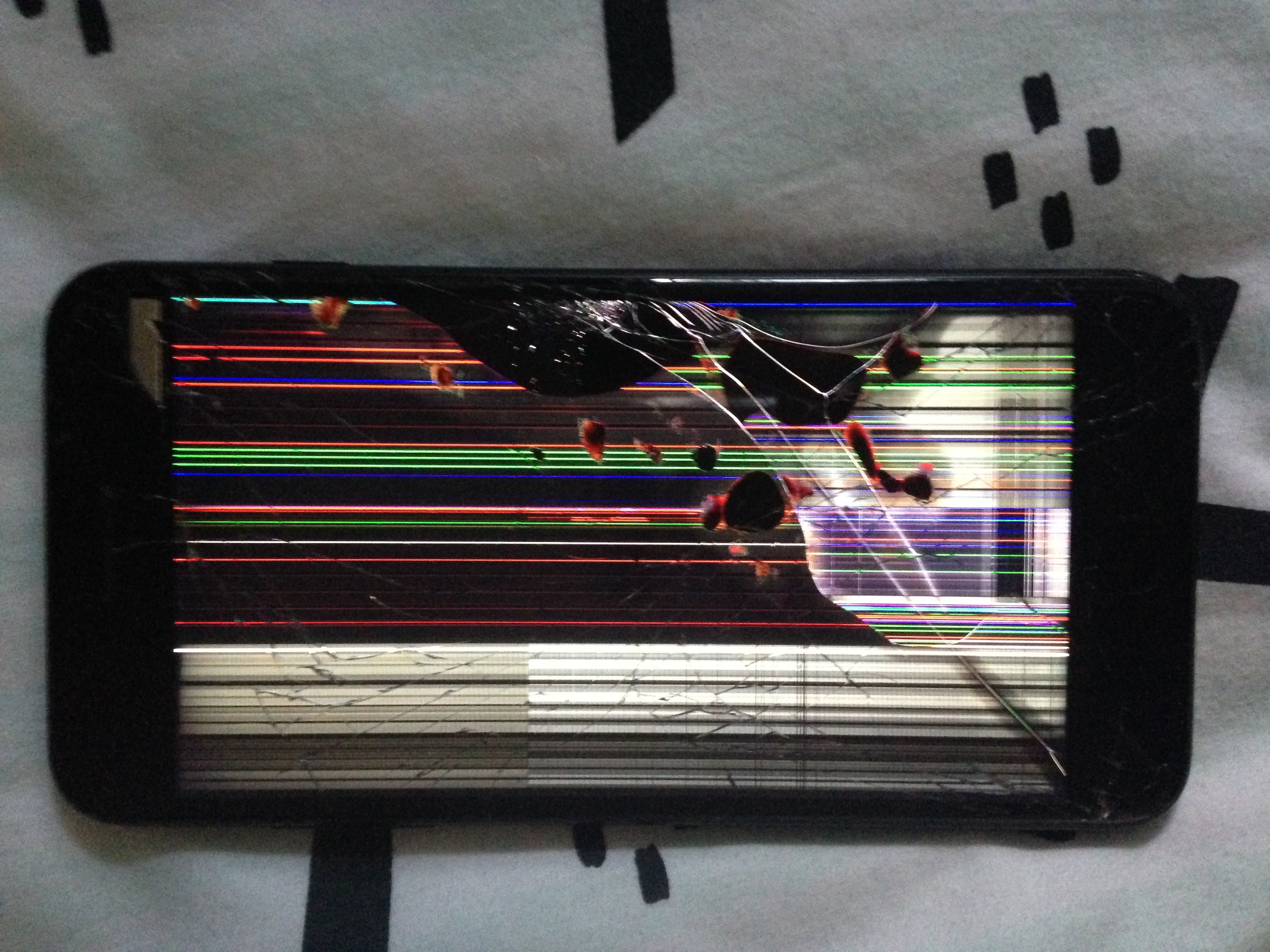
My iPhone has a cracked screen and colour… Apple Community

new iphone model coloring picture

Top 7 Iphone Coloring Pages Iphone, Coloring pages, Fun learning


