Unraveling The Colorful Secrets: A Journey Into The Physics Of Color
Color is a fascinating and complex phenomenon that has been studied by scientists and artists for centuries. In physics, color is understood as the visible spectrum of electromagnetic radiation, which ranges from red to violet. The human eye is able to detect these different wavelengths of light and interpret them as colors.
The importance of color in our lives cannot be overstated. It plays a vital role in everything from communication to transportation to design. Color can be used to create a variety of effects, from calming and soothing to exciting and stimulating. It can also be used to convey information, such as the status of a traffic light or the type of food in a package.
The physics of color is a vast and complex field, but there are a few key concepts that can help us to understand how it works. One important concept is the relationship between wavelength and color. The wavelength of light is measured in nanometers (nm), and the shorter the wavelength, the higher the energy of the light. Visible light has wavelengths that range from about 400 nm to 700 nm, with red light having the longest wavelength and violet light having the shortest wavelength.
How Does Color Work? Physics
Color is a fundamental property of light, and it plays a vital role in our perception of the world around us. In physics, color is understood as the visible spectrum of electromagnetic radiation, which ranges from red to violet. The human eye is able to detect these different wavelengths of light and interpret them as colors.
- Wavelength: The wavelength of light determines its color. Shorter wavelengths correspond to higher energy light, and longer wavelengths correspond to lower energy light.
- Frequency: The frequency of light is also related to its color. Higher frequency light has shorter wavelengths, and lower frequency light has longer wavelengths.
- Amplitude: The amplitude of light waves determines their intensity. Higher amplitude waves are brighter, and lower amplitude waves are dimmer.
- Color Mixing: When different colors of light are mixed, they can create new colors. For example, mixing red and blue light creates magenta, and mixing red, blue, and green light creates white.
- Color Absorption: Objects appear colored because they absorb and reflect certain wavelengths of light. For example, a red object absorbs all wavelengths of light except for red, which it reflects.
- Color Perception: The human eye is able to detect a wide range of colors, but our perception of color can be influenced by a number of factors, such as the lighting conditions and the context in which we see the color.
- Color in Nature: Color is found everywhere in nature, from the vibrant colors of flowers to the deep blue of the ocean. Color plays an important role in animal communication, camouflage, and reproduction.
- Color in Technology: Color is also used in a wide variety of technologies, such as televisions, computers, and lasers. Color can be used to create images, convey information, and even heal wounds.
The physics of color is a vast and complex field, but these key aspects provide a basic understanding of how color works. Color is a fundamental property of light, and it plays a vital role in our perception of the world around us.
Wavelength
The wavelength of light is a crucial factor in determining its color. Shorter wavelengths correspond to higher energy light, while longer wavelengths correspond to lower energy light. This relationship between wavelength and color is a fundamental aspect of how color works in physics.
- Visible Light Spectrum: The visible light spectrum is the range of wavelengths that the human eye can detect. It ranges from red light, which has the longest wavelength, to violet light, which has the shortest wavelength.
- Color Mixing: When different wavelengths of light are mixed, they can create new colors. For example, mixing red light and blue light creates magenta, and mixing red, blue, and green light creates white.
- Color Absorption: Objects appear colored because they absorb and reflect certain wavelengths of light. For example, a red object absorbs all wavelengths of light except for red, which it reflects.
- Applications in Technology: The relationship between wavelength and color is used in a variety of technologies, such as televisions, computers, and lasers.
The wavelength of light is a fundamental property of light, and it plays a vital role in our perception of color. By understanding the relationship between wavelength and color, we can better understand how color works in physics.
Frequency
The frequency of light is another important factor that determines its color. Frequency is measured in hertz (Hz), and it refers to the number of times per second that the light wave oscillates. Higher frequency light has shorter wavelengths, and lower frequency light has longer wavelengths.
- Relationship to Wavelength: The frequency of light is inversely proportional to its wavelength. This means that as the frequency of light increases, its wavelength decreases, and vice versa.
- Color Spectrum: The visible light spectrum is arranged from low frequency (red light) to high frequency (violet light). This means that red light has the longest wavelength, and violet light has the shortest wavelength.
- Color Mixing: When different frequencies of light are mixed, they can create new colors. For example, mixing red light (low frequency) and blue light (high frequency) creates magenta.
- Applications in Technology: The relationship between frequency and color is used in a variety of technologies, such as lasers and spectrometers.
The frequency of light is a fundamental property of light, and it plays a vital role in our perception of color. By understanding the relationship between frequency and color, we can better understand how color works in physics.
Amplitude
The amplitude of light waves is closely related to how we perceive color. Amplitude is a measure of the height of the light wave, and it determines the intensity of the light. Higher amplitude waves have greater intensity, and appear brighter to our eyes. Conversely, lower amplitude waves have less intensity, and appear dimmer.
The amplitude of light waves is an important factor in how we see the world around us. For example, the brightness of a star is determined by the amplitude of its light waves. The brighter the star, the higher the amplitude of its light waves. Similarly, the dimness of a shadow is caused by the lower amplitude of the light waves that reach our eyes.
Understanding the relationship between amplitude and intensity is essential for understanding how color works in physics. By manipulating the amplitude of light waves, we can create different colors and intensities of light. This knowledge is used in a wide variety of applications, such as photography, lighting design, and medical imaging.
Color Mixing
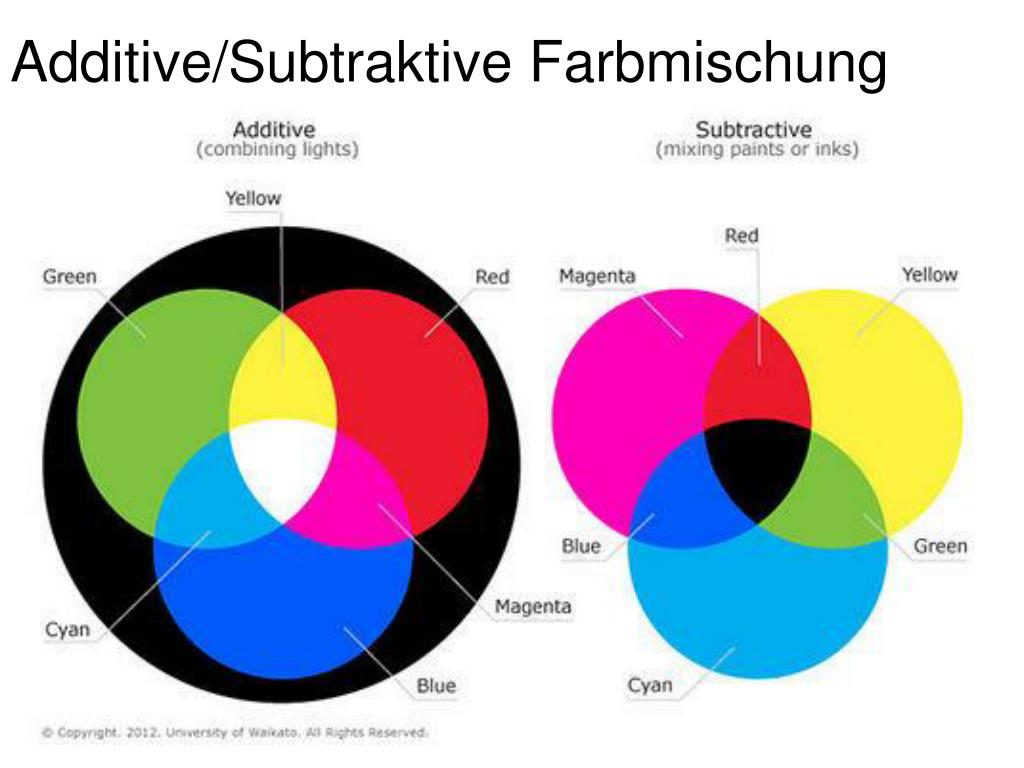
Color mixing is a fundamental aspect of how color works in physics. When different colors of light are mixed, they can create new colors. This is because the human eye perceives color based on the combination of different wavelengths of light.
- Additive Color Mixing: Additive color mixing is the process of mixing different colors of light to create new colors. This is the type of color mixing that is used in televisions, computer monitors, and other electronic displays. In additive color mixing, the primary colors are red, green, and blue (RGB). When these colors are mixed in different proportions, they can create a wide range of colors.
- Subtractive Color Mixing: Subtractive color mixing is the process of mixing different colors of paint, ink, or dye to create new colors. This is the type of color mixing that is used in printing and painting. In subtractive color mixing, the primary colors are cyan, magenta, and yellow (CMY). When these colors are mixed in different proportions, they can create a wide range of colors.
- Color Theory: Color theory is the study of how colors interact with each other. Color theory can be used to create color schemes that are pleasing to the eye and to convey specific messages or emotions.
- Applications of Color Mixing: Color mixing is used in a wide range of applications, including:
- Televisions and computer monitors
- Printing and painting
- Photography
- Interior design
- Fashion design
Color mixing is a powerful tool that can be used to create a wide range of colors and effects. By understanding how color mixing works, you can use it to create beautiful and effective designs.
Color Absorption
Color absorption is a fundamental aspect of how color works in physics. When light strikes an object, some of the light is absorbed by the object and some of the light is reflected. The color of the object is determined by the wavelengths of light that are absorbed and reflected.
- Selective Absorption: Objects absorb and reflect light selectively. This means that they absorb certain wavelengths of light and reflect others. For example, a red object absorbs all wavelengths of light except for red, which it reflects. This is why red objects appear red to our eyes.
- Pigments and Dyes: Pigments and dyes are materials that absorb and reflect light selectively. Pigments are used to color paints, inks, and other materials. Dyes are used to color fabrics and other materials. The color of a pigment or dye is determined by the wavelengths of light that it absorbs and reflects.
- Structural Coloration: Some objects appear colored due to structural coloration rather than selective absorption. Structural coloration is caused by the way that light interacts with the microscopic structure of an object. For example, the iridescent colors of a butterfly's wings are caused by structural coloration.
- Applications of Color Absorption: Color absorption is used in a wide range of applications, including:
- Color printing and painting
- Textile dyeing
- Optical filters
- Solar cells
Color absorption is a fundamental aspect of how color works in physics. It is responsible for the colors of the objects around us and has a wide range of applications in science and technology.
Color Perception
The human eye is able to detect a wide range of colors, but our perception of color can be influenced by a number of factors, such as the lighting conditions and the context in which we see the color. This is because the way that our eyes perceive color is a complex process that involves both physical and psychological factors.
One of the most important physical factors that can affect our perception of color is the wavelength of light. The wavelength of light determines the color that we see, with shorter wavelengths corresponding to higher energy light and longer wavelengths corresponding to lower energy light. For example, red light has a longer wavelength than blue light, and therefore appears to be a lower energy color.
Another important factor that can affect our perception of color is the intensity of light. The intensity of light determines how bright or dim a color appears to be. For example, a bright red light will appear to be more saturated than a dim red light.The context in which we see a color can also affect our perception of it. For example, a white object will appear to be whiter if it is surrounded by black objects, and a black object will appear to be blacker if it is surrounded by white objects. This is because our eyes tend to compare the colors of objects to the colors of the objects around them.Our perception of color is also influenced by our past experiences and associations with certain colors. For example, we may associate the color red with danger or passion, and the color blue with calmness or sadness. These associations can affect the way that we interpret the colors that we see.Understanding how color perception works is important for a number of reasons. First, it can help us to understand how we see the world around us. Second, it can help us to create more effective visual displays and designs. Third, it can help us to diagnose and treat certain eye conditions.Color in Nature
The connection between color in nature and the physics of color is profound. The colors that we see in nature are a result of the interaction of light with matter. The wavelength of light determines the color that we see, and different objects absorb and reflect different wavelengths of light. This is why we see a wide variety of colors in nature, from the vibrant colors of flowers to the deep blue of the ocean.
Color plays an important role in animal communication, camouflage, and reproduction. For example, many animals use bright colors to attract mates or to warn predators. Other animals use camouflage to blend in with their surroundings and avoid predators. And still other animals use color to attract pollinators and help them reproduce.
Understanding the physics of color is important for understanding the natural world. It can help us to appreciate the beauty of nature and to understand the role that color plays in the lives of animals and plants.
Here are some specific examples of how color works in nature:
- The green color of leaves is due to the presence of chlorophyll, a pigment that absorbs blue and red light and reflects green light.
- The red color of many flowers is due to the presence of anthocyanins, pigments that absorb blue and green light and reflect red light.
- The blue color of the ocean is due to the scattering of sunlight by water molecules. Blue light has a shorter wavelength than red light, so it is scattered more by water molecules.
These are just a few examples of how color works in nature. The physics of color is a complex and fascinating field of study, and it is one that can help us to appreciate the beauty and diversity of the natural world.
Color in Technology
The connection between color in technology and the physics of color is profound. The colors that we see on our televisions, computer screens, and laser pointers are all produced by the interaction of light with matter. The wavelength of light determines the color that we see, and different materials absorb and reflect different wavelengths of light.
- Creating Images: Color is used to create images on televisions, computer screens, and other electronic displays. These images are created by combining different colors of light to form a picture. The colors that are used to create an image are determined by the wavelength of light that is emitted by the display.
- Conveying Information: Color can also be used to convey information. For example, the colors of traffic lights tell us whether it is safe to proceed or stop. The colors of wires tell us which wires are connected to each other. And the colors of resistors tell us what their resistance is.
- Healing Wounds: Color can even be used to heal wounds. For example, red light therapy has been shown to be effective in treating wounds and reducing pain. Blue light therapy has been shown to be effective in treating acne. And green light therapy has been shown to be effective in treating skin conditions such as eczema and psoriasis.
These are just a few examples of how color is used in technology. The physics of color is a complex and fascinating field of study, and it is one that has a wide range of applications in our everyday lives.
FAQs
This section addresses some of the most frequently asked questions about how color works in physics, providing concise and informative answers.
Question 1: What is color?
Color is a perception of the human visual system in response to different wavelengths of light. Different wavelengths of light appear as different colors to us, with shorter wavelengths appearing as higher energy colors (e.g., violet, blue) and longer wavelengths appearing as lower energy colors (e.g., orange, red).
Question 2: How does the physics of color work?
The physics of color is based on the interaction of light with matter. When light strikes an object, some of the light is absorbed and some is reflected. The wavelengths of light that are absorbed and reflected determine the color of the object. Objects that absorb all wavelengths of light appear black, while objects that reflect all wavelengths of light appear white.
Question 3: Why do different objects have different colors?
Different objects have different colors because they absorb and reflect different wavelengths of light. The molecular structure and composition of an object determine which wavelengths of light it absorbs and reflects. For example, a red object appears red because it absorbs all wavelengths of light except for red, which it reflects.
Question 4: How is color used in technology?
Color is used in a wide range of technologies, including televisions, computers, and lasers. In these applications, color is used to create images, convey information, and even heal wounds.
Question 5: How does color affect our perception of the world?
Color plays a significant role in our perception of the world. Different colors can evoke different emotions and associations. For example, the color red is often associated with danger or excitement, while the color blue is often associated with calmness or sadness.
Question 6: What are some real-world examples of how color works?
There are countless examples of how color works in the real world. Some common examples include the colors of the rainbow, the colors of flowers, and the colors of traffic lights.
Summary: Color is a fundamental aspect of our visual experience and plays a vital role in our interaction with the world around us. Understanding the physics of color can help us to appreciate the beauty and complexity of the natural world and to create new technologies that enhance our lives.
Transition to the next article section: In the next section, we will explore the applications of color in various fields, including art, design, and science.
Tips for Understanding How Color Works in Physics
To enhance your understanding of the physics of color, consider the following tips:
Tip 1: Study the electromagnetic spectrum. The electromagnetic spectrum is a range of all possible frequencies of electromagnetic radiation. Visible light is a small part of the electromagnetic spectrum, and it is the range of light that we can see. By understanding the electromagnetic spectrum, you can better understand the relationship between wavelength, frequency, and color.
Tip 2: Experiment with different light sources. The color of an object depends on both the light source and the object itself. By experimenting with different light sources, you can see how the color of an object changes. For example, you can shine a white light on an object and then shine a colored light on the object. You will see that the object appears to be a different color under the colored light.
Tip 3: Learn about color mixing. Color mixing is the process of combining different colors of light to create new colors. By learning about color mixing, you can understand how to create different colors and how to use color to create different effects.
Tip 4: Explore the role of color in nature. Color is found everywhere in nature, from the vibrant colors of flowers to the deep blue of the ocean. By exploring the role of color in nature, you can gain a better understanding of how color works and how it affects our lives.
Tip 5: Apply your knowledge to real-world situations. Once you have a basic understanding of the physics of color, you can apply your knowledge to real-world situations. For example, you can use your knowledge to choose the right colors for a painting or to design a website.
By following these tips, you can improve your understanding of the physics of color and how it works in the world around you.
Summary: Understanding the physics of color is a complex but rewarding endeavor. By studying the electromagnetic spectrum, experimenting with different light sources, learning about color mixing, exploring the role of color in nature, and applying your knowledge to real-world situations, you can gain a deeper appreciation for the beauty and complexity of color.
Conclusion
In this article, we have explored the fascinating world of color in physics. We have learned that color is a perception of the human visual system in response to different wavelengths of light. We have also learned that the physics of color is based on the interaction of light with matter. Different objects have different colors because they absorb and reflect different wavelengths of light.
The physics of color has a wide range of applications in our everyday lives. Color is used in televisions, computers, and lasers. It is also used in art, design, and science. By understanding the physics of color, we can better appreciate the beauty and complexity of the world around us.

color theory Colors You Need

Color and Color Vision · Physics
PPT Die Physik der Farben PowerPoint Presentation, free download ID


