Unlock The Secrets Of Color And Light: Uncover Hidden Truths
Color, as we perceive it, is directly linked to light. Visible light is a form of electromagnetic radiation that falls within a specific range of wavelengths. When this light interacts with objects, some wavelengths are absorbed and others are reflected. The reflected wavelengths are what we perceive as color.
The importance of understanding the relationship between color and light extends beyond the realm of art and design. It has practical applications in fields such as physics, optics, and even medicine. For example, in physics, the study of color and light has led to the development of technologies like lasers and optical fibers.
In this article, we will explore the fascinating world of color and light, discussing the science behind how we perceive color, the role of light in color creation, and the practical applications of this knowledge.
Does Color Have Light
The relationship between color and light is a fundamental aspect of our visual experience. Here are eight key aspects that explore various dimensions of this topic:
- Light: Electromagnetic radiation that falls within the visible spectrum.
- Color: The perception of light when it interacts with objects and is reflected to our eyes.
- Wavelength: A measure of the distance between peaks or troughs of a wave, which determines the color we see.
- Absorption: The process by which objects absorb certain wavelengths of light and reflect others.
- Reflection: The process by which light bounces off a surface and is redirected.
- Mixing: The combination of different colors of light to create new colors.
- Subtractive color: The mixing of pigments, which absorbs certain wavelengths of light and reflects others.
- Additive color: The mixing of light sources, which combines different wavelengths of light to create new colors.
These aspects are interconnected and provide a comprehensive understanding of the relationship between color and light. For example, the color we perceive from an object is determined by the wavelengths of light that are absorbed and reflected by that object. The mixing of different colors of light can create new colors, as seen in the color wheel. Understanding these principles is essential for fields such as art, design, and even physics.
Light
Light, in the context of "does color have light", refers to a specific range of electromagnetic radiation that can be perceived by the human eye. Electromagnetic radiation exists across a wide spectrum, including radio waves, microwaves, infrared radiation, ultraviolet radiation, X-rays, and gamma rays. However, only a narrow band of this spectrum, known as visible light, is responsible for our perception of color.
- Wavelength and Color
Visible light is composed of different wavelengths, and each wavelength corresponds to a particular color. When white light passes through a prism, it is separated into its component colors, forming a rainbow. This demonstrates the relationship between wavelength and color, which is fundamental to our understanding of how color is produced.
- Reflection and Absorption
When light interacts with an object, some wavelengths are absorbed and others are reflected. The reflected wavelengths determine the color we perceive. For example, a red object absorbs all wavelengths except red, which it reflects. This is why we see the object as red.
- Additive and Subtractive Color
There are two main ways to mix colors: additive and subtractive. Additive color mixing, as seen in digital displays and televisions, involves combining different wavelengths of light to create new colors. Subtractive color mixing, used in paints and dyes, involves mixing pigments that absorb certain wavelengths and reflect others.
- Color in Nature and Technology
The relationship between light and color is evident throughout nature. From the vibrant colors of flowers to the stunning hues of sunsets, color plays a vital role in our perception of the world. It also has practical applications in technology, such as color filters, lasers, and fiber optics.
In summary, the connection between "Light: Electromagnetic radiation that falls within the visible spectrum." and "does color have light" lies in the fact that visible light is the medium through which we perceive color. The interaction of light with objects, and the subsequent absorption and reflection of specific wavelengths, determines the colors we see. This relationship is fundamental to our understanding of color and has applications in various fields, including art, science, and technology.
Color
The connection between "Color: The perception of light when it interacts with objects and is reflected to our eyes." and "does color have light" lies at the very heart of our visual experience. Color is not an inherent property of objects but rather a perception that arises from the interaction of light with matter.
- The Role of Light
Light is the essential ingredient for color perception. Without light, there would be no colors, only darkness. The visible spectrum of light consists of different wavelengths, each corresponding to a specific color. When light interacts with an object, some wavelengths are absorbed and others are reflected. The reflected wavelengths are what we perceive as color.
- Selective Absorption
Objects have different molecular structures that determine how they interact with light. When light strikes an object, some wavelengths are selectively absorbed by the object's molecules, while others are reflected. The absorbed wavelengths correspond to the colors that the object does not appear to have, while the reflected wavelengths correspond to the colors that we see.
- Color and Surface Texture
The surface texture of an object can also affect its color. A smooth surface tends to reflect light more evenly, resulting in a more uniform color. A rough surface, on the other hand, can scatter light in different directions, leading to variations in color and the appearance of different shades.
- Color and Context
The color of an object can also be influenced by its surroundings. The surrounding colors can create contrast effects, making an object appear brighter or darker. Additionally, the amount of light available and the angle at which light strikes an object can affect its perceived color.
In summary, the connection between "Color: The perception of light when it interacts with objects and is reflected to our eyes." and "does color have light" highlights the fundamental role of light in our perception of color. Color arises from the interaction of light with matter, and various factors, such as selective absorption, surface texture, and context, influence how we perceive colors.
Wavelength
In the context of "does color have light," understanding wavelength is crucial. Wavelength plays a central role in determining the colors we perceive because it is directly linked to the energy of light.
- Visible Light Spectrum
The visible light spectrum consists of a range of wavelengths, each corresponding to a specific color. Shorter wavelengths correspond to higher energy and appear as colors like violet and blue, while longer wavelengths correspond to lower energy and appear as colors like orange and red.
- Color Perception
When light interacts with an object, the object absorbs some wavelengths and reflects others. The reflected wavelengths determine the color we perceive. For example, an apple appears red because it absorbs all wavelengths except red, which it reflects.
- Color Mixing
Mixing different wavelengths of light can create new colors. This is the principle behind color mixing in art and design. By combining different proportions of primary colors (red, blue, and yellow), a wide range of colors can be produced.
- Applications in Technology
Understanding wavelength is also essential in various technological applications. For instance, in fiber optics, different wavelengths of light are used to transmit data through optical fibers. Similarly, lasers emit light at specific wavelengths, which have applications in telecommunications, medicine, and manufacturing.
In summary, the connection between "Wavelength: A measure of the distance between peaks or troughs of a wave, which determines the color we see." and "does color have light" lies in the fundamental role of wavelength in determining the energy and color of light. Understanding wavelength is essential for understanding color perception, color mixing, and various technological applications.
Absorption
In the context of "does color have light," understanding absorption is crucial. Absorption plays a fundamental role in determining the colors we perceive because it is directly linked to the interaction of light with matter.
- Selective Absorption
Objects have different molecular structures that determine how they interact with light. When light strikes an object, some wavelengths are selectively absorbed by the object's molecules, while others are reflected. The absorbed wavelengths correspond to the colors that the object does not appear to have, while the reflected wavelengths correspond to the colors that we see. For example, a leaf appears green because it absorbs all wavelengths except green, which it reflects.
- Color and Pigments
The pigments present in an object determine its absorption properties. Pigments are substances that selectively absorb and reflect specific wavelengths of light. When light interacts with a pigment, it can be absorbed, transmitted, or scattered. The combination of these interactions determines the color of the object.
- Color Mixing
Absorption also plays a role in color mixing. When different colors of light are mixed, the resulting color is determined by the wavelengths that are absorbed and reflected. For instance, mixing red and blue light results in magenta because the mixture absorbs green light and reflects red and blue light.
- Applications in Art and Technology
Understanding absorption is essential in various fields, including art and technology. In art, artists use the principles of absorption to create specific color effects in their paintings and designs. Similarly, in technology, absorption is utilized in devices such as filters and spectrophotometers to analyze and manipulate light.
In summary, the connection between "Absorption: The process by which objects absorb certain wavelengths of light and reflect others." and "does color have light" highlights the fundamental role of absorption in determining the colors we perceive. Absorption is directly linked to the interaction of light with matter and influences various aspects of color, including the appearance of objects, color mixing, and applications in art and technology.
Reflection
In exploring the connection between "Reflection: The process by which light bounces off a surface and is redirected." and "does color have light," we uncover a fundamental relationship that underpins our perception and experience of color.
Reflection plays a pivotal role in color perception because it is the mechanism by which light interacts with objects and our eyes. When light strikes an object, some of the light is absorbed by the object, while the rest is reflected. The reflected light travels to our eyes, carrying information about the object's color. For example, a red apple appears red because it absorbs all wavelengths of light except red, which it reflects. This reflected red light then travels to our eyes, and our brains interpret it as the color red.
Understanding reflection is not only crucial for comprehending color perception but also has significant practical applications. In everyday life, we rely on reflection to see and interact with the world around us. Mirrors, for instance, utilize the principle of reflection to create images by reflecting light off their surfaces. Similarly, optical devices like telescopes and microscopes employ mirrors to manipulate and focus light, enabling us to observe distant objects and tiny structures.
Beyond its role in color perception and practical applications, reflection also has implications for broader scientific and technological advancements. In the field of telecommunications, fiber optic cables utilize the principle of reflection to transmit data over long distances with minimal signal loss. Additionally, reflective materials are employed in various industries, such as construction and safety, to enhance visibility, improve safety, and regulate temperature.
Mixing
In the realm of "does color have light," understanding the concept of Mixing, or the combination of different colors of light to create new colors, is essential. Mixing plays a fundamental role in our perception and manipulation of color, with applications ranging from art and design to science and technology.
- Additive Color Mixing
Additive color mixing involves combining different wavelengths of light to create new colors. This is the principle behind digital displays, such as televisions and computer monitors, where individual pixels emit red, green, and blue light in varying intensities to produce a wide range of colors.
- Subtractive Color Mixing
Subtractive color mixing, on the other hand, involves mixing pigments or dyes that absorb certain wavelengths of light and reflect others. This is the principle behind traditional painting and printing, where pigments are combined to create new colors by selectively absorbing and reflecting different wavelengths of light.
- Color Models and Spaces
To represent and communicate color mixing effectively, various color models and spaces have been developed. These models define the relationships between different colors and provide a systematic way to organize and manipulate them. Common color models include RGB (Red, Green, Blue) and CMYK (Cyan, Magenta, Yellow, Black).
- Applications in Art and Design
Mixing colors is a fundamental aspect of art and design. Artists use color mixing to create harmonious color schemes, evoke emotions, and convey messages through their work. Color mixing is also essential in graphic design, web design, and other visual arts.
In summary, the connection between "Mixing: The combination of different colors of light to create new colors." and "does color have light" lies in the fundamental role that mixing plays in our perception and manipulation of color. From the creation of vibrant digital displays to the subtle nuances of traditional paintings, mixing colors allows us to express and explore the vast spectrum of colors that the visible light spectrum has to offer.
Subtractive color
In the context of "does color have light," the concept of subtractive color plays a crucial role in understanding how pigments interact with light to produce a vast array of colors.
- Selective Absorption and Reflection
Subtractive color mixing relies on the selective absorption and reflection of light by pigments. Pigments are substances that contain molecules that absorb specific wavelengths of light while reflecting others. When white light strikes a pigment, some wavelengths are absorbed, and the remaining wavelengths are reflected. The reflected wavelengths determine the color we perceive.
- Color Mixing in Paints and Dyes
Subtractive color mixing is widely used in paints and dyes. By mixing different pigments, artists and designers can create a virtually limitless range of colors. The primary subtractive colors are cyan, magenta, and yellow. When these colors are mixed in varying proportions, they produce secondary colors (green, orange, and violet) and a wide range of tertiary colors.
- Implications for Color Perception
Subtractive color mixing has significant implications for our understanding of color perception. It demonstrates that colors are not inherent properties of objects but rather arise from the interaction of light with matter. The color we perceive from an object depends on the pigments present in that object and the wavelengths of light that are absorbed and reflected.
- Applications in Printing and Photography
Subtractive color mixing is also essential in printing and photography. The CMYK (cyan, magenta, yellow, and black) color model is used in color printing to reproduce a wide range of colors using a limited number of inks. Similarly, in photography, subtractive color mixing is used in color film and digital cameras to capture and reproduce colors accurately.
In conclusion, the connection between "Subtractive color: The mixing of pigments, which absorbs certain wavelengths of light and reflects others." and "does color have light" underscores the fundamental role of pigments in absorbing and reflecting light to create the colors we perceive. This process plays a vital role in various artistic and practical applications, demonstrating the intricate relationship between light and color in our visual experience.
Additive color
In the realm of "does color have light," understanding additive color is paramount. Additive color mixing involves combining different wavelengths of light to create new colors. Unlike subtractive color mixing, which relies on pigments, additive color mixing utilizes light sources to produce a broader spectrum of colors.
The significance of additive color lies in its ability to create vibrant and luminous colors. This is evident in digital displays, such as televisions, computer monitors, and smartphones. By combining red, green, and blue light in varying intensities, these displays can produce a vast array of colors. The absence of all three colors results in black, while the combination of all three in equal proportions produces white.
Beyond digital displays, additive color mixing finds applications in various fields. In theater and stage lighting, colored filters are used to combine different wavelengths of light, creating specific moods and effects. In photography, additive color mixing is used in digital cameras to capture and reproduce colors accurately. It is also essential in color therapy, where different colored lights are used to promote relaxation, reduce stress, and improve overall well-being.
The connection between "Additive color: The mixing of light sources, which combines different wavelengths of light to create new colors." and "does color have light" lies in the fundamental role of light in color perception. Additive color mixing demonstrates that colors are not inherent properties of objects but rather arise from the combination of different wavelengths of light. This understanding has revolutionized the way we create, reproduce, and experience colors in various fields, from art and entertainment to science and technology.
FAQs about "Does Color Have Light"
The following are frequently asked questions about the relationship between color and light. These questions and answers aim to provide a comprehensive understanding of this topic for those seeking further clarification.
Question 1: What is the connection between color and light?
Answer: Color is directly linked to light. Color, as we perceive it, arises from the interaction of light with objects and the selective absorption and reflection of different wavelengths of light. Without light, there would be no colors, only darkness.
Question 2: How does the human eye perceive color?
Answer: The human eye contains specialized cells called photoreceptors, which are sensitive to different wavelengths of light. These photoreceptors convert light into electrical signals that are then interpreted by the brain as colors.
Question 3: What is the difference between additive and subtractive color mixing?
Answer: Additive color mixing combines different wavelengths of light to create new colors, as seen in digital displays and televisions. Subtractive color mixing, on the other hand, involves mixing pigments or dyes that absorb certain wavelengths of light and reflect others, as used in paints and dyes.
Question 4: How are colors used in everyday life?
Answer: Colors play a significant role in various aspects of our daily lives. From traffic lights and warning signs to the colors of food and clothing, colors convey information, evoke emotions, and enhance our visual experience.
Question 5: What are the applications of color in science and technology?
Answer: Color has numerous applications in science and technology. In physics, the study of color has led to advancements in optics and laser technology. In medicine, color is used in color therapy and medical imaging techniques.
Question 6: How can we use color effectively in design and communication?
Answer: Understanding color theory and color psychology can help designers and communicators use colors effectively to create visually appealing and meaningful designs, evoke emotions, and convey messages clearly.
In summary, the relationship between color and light is fundamental to our understanding of color perception, color mixing, and the applications of color in various fields. By delving into these FAQs, we gain a deeper appreciation for the intricate interplay of color and light in our world.
Transition to the next article section: Exploring the Practical Applications of Color and Light
Tips for Understanding "Does Color Have Light"
Understanding the relationship between color and light is crucial for various fields, including art, design, science, and technology. Here are some tips to help you grasp this concept effectively:
Tip 1: Start with the Basics- Begin by understanding the nature of light as an electromagnetic wave and the visible light spectrum.
- Familiarize yourself with the concept of wavelength and how it corresponds to different colors.Tip 2: Explore Color Perception
- Learn about the role of the human eye in perceiving color through specialized cells.
- Understand how the brain interprets different wavelengths of light as colors.Tip 3: Distinguish Additive and Subtractive Color Mixing
- Grasp the difference between combining wavelengths of light (additive) and mixing pigments (subtractive).
- Explore the applications of each method in various fields, such as digital displays and painting.Tip 4: Study Color Theory
- Delve into the principles of color theory, including color harmonies, complementary colors, and color schemes.
- Discover how color theory can enhance your understanding of color relationships and their impact.Tip 5: Experiment with Color in Practice
- Engage in hands-on activities, such as mixing paints or creating digital color palettes.
- Experiment with different color combinations to observe their effects and deepen your understanding.Tip 6: Seek Professional Resources
- Consult books, articles, or online resources written by experts in color science or related fields.
- Attend workshops or classes to gain a structured learning experience.Tip 7: Explore Real-World Applications
- Observe how color is used in everyday life, from traffic lights to website design.
- Analyze how color influences emotions, conveys information, and enhances visual appeal.Summary
By following these tips, you can develop a comprehensive understanding of the relationship between color and light. This knowledge will empower you to harness the power of color effectively in your personal and professional endeavors.
Conclusion
The exploration of "does color have light" has unveiled a profound connection between the two. Light, as an electromagnetic wave, carries within it a spectrum of colors, each corresponding to a specific wavelength. Our eyes, equipped with specialized cells, perceive these wavelengths as distinct colors.
Whether through additive mixing of light sources or subtractive mixing of pigments, we can create a vast array of colors that enrich our visual experience. Understanding color theory allows us to harness these colors effectively in art, design, and various fields.
As we continue to unravel the intricate relationship between color and light, we open doors to new possibilities in science, technology, and our perception of the world. This understanding empowers us to appreciate the beauty and complexity of the colorful world around us.
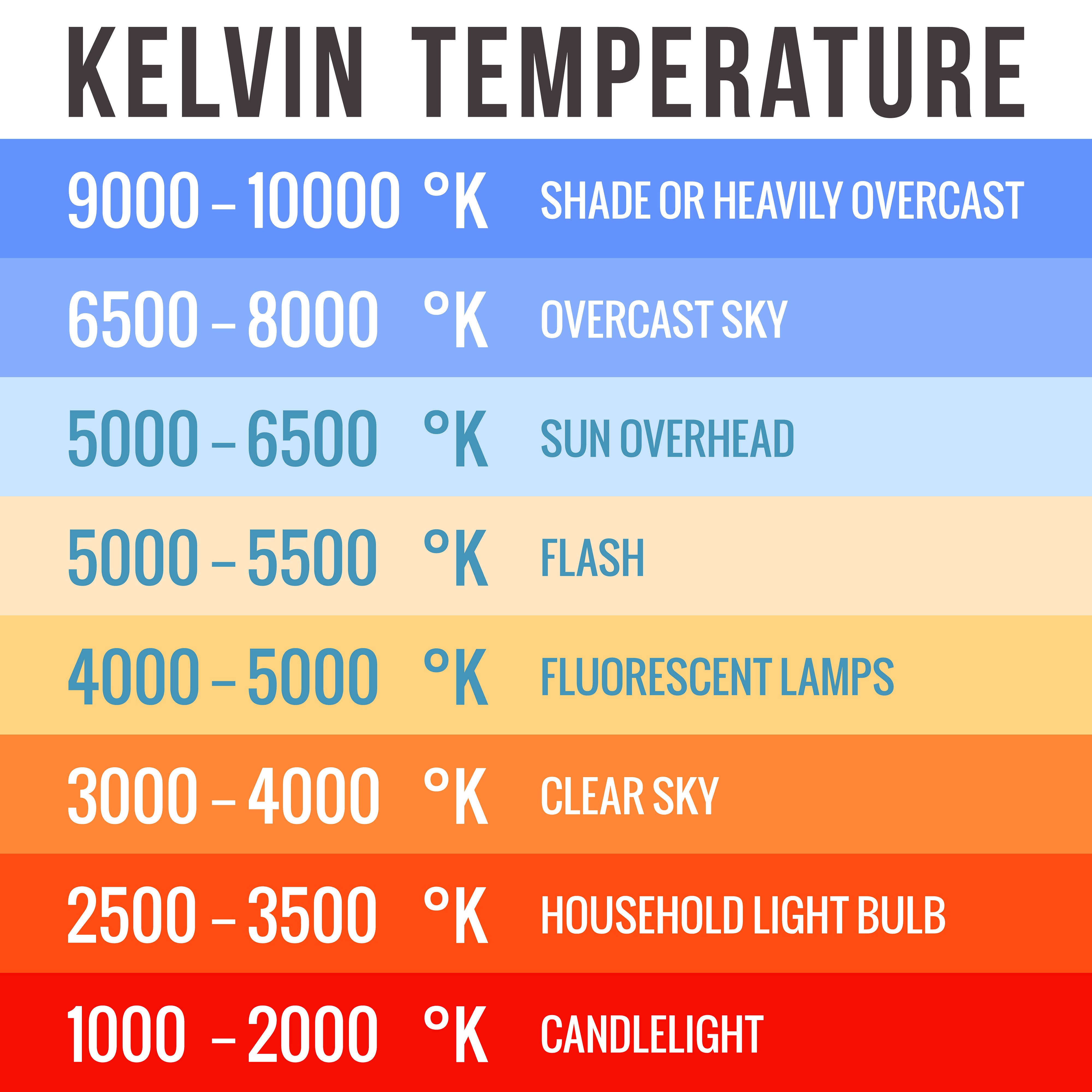
Matching Lights’ Color Temperature to Your Home by Dropality Medium

kelvin_color_temperature_of_light_sources LED Pros

Light in Color


