Unlock The Vibrant World Of Colors: Discover The Perfect Matches For Orange
When considering complementary colors, the color that will match orange is blue. This is because blue and orange are opposite each other on the color wheel, which means they create a high contrast that is visually appealing. Orange is a warm color, while blue is a cool color, so they balance each other out well.
There are many different shades of both orange and blue, so you can create a variety of different looks by pairing them together. For example, a bright orange and a dark blue will create a bold and dramatic look, while a soft orange and a light blue will create a more subtle and calming look. You can also use different patterns and textures to add visual interest to your designs.
Orange and blue are a versatile color combination that can be used in a variety of different applications, from fashion to home dcor to web design. By understanding the basics of color theory, you can use orange and blue to create visually appealing designs that will make a lasting impression.
Color that will match orange
Color theory is a body of practical guidance to color mixing and the visual effects of a specific color or color combination. By understanding the color wheel and the relationships between colors, you can create more harmonious and visually appealing designs.
- Complementary colors: Orange and blue are complementary colors, meaning they are opposite each other on the color wheel. This creates a high contrast that is visually appealing.
- Analogous colors: Orange, yellow-orange, and red-orange are analogous colors, meaning they are adjacent to each other on the color wheel. This creates a more subtle and harmonious look.
- Warm colors: Orange is a warm color, which means it evokes feelings of warmth and energy.
- Cool colors: Blue is a cool color, which means it evokes feelings of coolness and calmness.
- Primary colors: Orange is not a primary color. The primary colors are red, yellow, and blue.
- Secondary colors: Orange is a secondary color, which means it is created by mixing two primary colors (red and yellow).
- Tertiary colors: Orange can be used to create tertiary colors by mixing it with other primary or secondary colors.
- Tints: A tint is a color that is created by adding white to another color. Orange tints are lighter and more pastel-like.
- Shades: A shade is a color that is created by adding black to another color. Orange shades are darker and more saturated.
By understanding these key aspects of color theory, you can use orange and other colors to create visually appealing and harmonious designs.
Complementary colors
When considering color combinations, understanding complementary colors is crucial. Complementary colors are two colors that are directly opposite each other on the color wheel, such as orange and blue. When placed side by side, they create a high contrast effect that is visually striking and attention-grabbing.
The complementary relationship between orange and blue makes them an ideal choice for a variety of design applications, from fashion to interior design. For example, a bright orange dress paired with blue accessories can create a bold and eye-catching look. Similarly, painting an accent wall in orange and decorating it with blue artwork can add a touch of drama to a room.
Beyond aesthetics, the use of complementary colors also has practical applications. For instance, in color therapy, orange and blue are used to balance the emotions and promote well-being. Orange is associated with energy and warmth, while blue is associated with calmness and peace. By combining these two colors, it is believed that one can create a harmonious and uplifting environment.
Overall, understanding the complementary relationship between orange and blue is essential for creating visually appealing and effective designs. Whether in fashion, interior design, or other creative fields, the combination of orange and blue can add a touch of vibrancy and contrast to any project.
Analogous colors
In the context of color matching, understanding analogous colors is crucial, as they offer a harmonious and visually pleasing approach to pairing colors.
- Color Harmony: Analogous colors create a sense of unity and coherence in a design scheme. By using colors that are adjacent to each other on the color wheel, one can achieve a smooth and gradual transition between hues, resulting in a balanced and aesthetically pleasing look.
- Reduced Contrast: Unlike complementary colors, analogous colors have less contrast, making them less visually jarring. This lower contrast creates a sense of calmness and serenity, which can be desirable in certain design applications, such as interior design or branding.
- Visual Flow: The use of analogous colors allows for a natural flow of the eye throughout a design. By placing colors that are related to each other in close proximity, one can create a visually cohesive and engaging experience for the viewer.
- Color Combinations: Analogous color schemes offer a wide range of color combinations to choose from. For instance, a combination of orange, yellow-orange, and red-orange can create a warm and inviting atmosphere, while a combination of blue-green, green, and yellow-green can evoke a sense of tranquility and freshness.
Overall, understanding the connection between analogous colors and color matching is essential for creating harmonious and visually appealing designs. By utilizing colors that are adjacent to each other on the color wheel, designers can achieve a sense of balance, reduce contrast, create visual flow, and explore a variety of color combinations.
Warm colors
In the realm of color matching, understanding the connection between warm colors and "color that will match orange" is essential for creating visually appealing and emotionally impactful designs.
- Psychological Impact: Warm colors, such as orange, evoke feelings of warmth, energy, and excitement. When matching colors with orange, consider complementary or analogous colors that complement these emotions and create a cohesive visual experience.
- Color Combinations: Warm colors like orange pair well with other warm colors, such as red, yellow, and pink, to create a vibrant and inviting atmosphere. Additionally, they can be balanced with cool colors, such as blue or green, to create a more dynamic and visually interesting scheme.
- Seasonal Considerations: Warm colors are often associated with specific seasons. For instance, orange is reminiscent of autumn and can be paired with colors like brown, gold, and yellow to create a cozy and inviting fall-themed design.
- Cultural Symbolism: In various cultures, warm colors carry specific meanings and symbolism. For example, in many Asian cultures, orange is associated with joy, prosperity, and good fortune, making it an auspicious color choice for weddings and other festive occasions.
In conclusion, understanding the connection between warm colors and "color that will match orange" empowers designers with the knowledge to create color schemes that evoke specific emotions, convey cultural messages, and align with seasonal themes. By carefully considering the psychological impact, color combinations, and cultural associations of warm colors, designers can create visually appealing and emotionally resonant designs.
Cool colors
In the realm of color matching, understanding the connection between cool colors and "color that will match orange" is crucial for creating visually appealing and emotionally resonant designs.
Cool colors, such as blue, evoke feelings of coolness, calmness, and serenity. When matching colors with orange, a warm color, it is important to consider how cool colors can balance and complement the energetic and vibrant nature of orange. By pairing orange with cool colors, designers can create visually harmonious and emotionally inviting spaces.
One of the key benefits of using cool colors to match orange is the ability to create contrast. The juxtaposition of warm and cool colors can create a visually striking and engaging effect. For example, pairing a bright orange with a deep navy blue can create a sense of drama and sophistication. Alternatively, combining orange with a soft pastel blue can create a more calming and tranquil atmosphere.
Beyond aesthetics, the use of cool colors to match orange also has practical applications. For instance, in color therapy, blue is often used to promote relaxation and reduce stress. By incorporating blue into designs alongside orange, designers can create environments that are both visually appealing and conducive to well-being.
In conclusion, understanding the connection between cool colors and "color that will match orange" is essential for creating visually appealing, emotionally resonant, and practically functional designs. By carefully considering the psychological impact, visual contrast, and practical applications of cool colors, designers can create color schemes that evoke specific emotions, enhance well-being, and align with the intended purpose of a design.
Primary colors
In the realm of color theory and matching, understanding the relationship between primary colors and "color that will match orange" is crucial for creating visually appealing and harmonious designs. Primary colors are the foundation of all other colors, and they play a significant role in determining which colors will complement orange effectively.
- Color Wheel Theory: The color wheel is a circular representation of the relationships between colors. Primary colors are positioned equidistantly on the color wheel, forming a triangle. Orange, on the other hand, is a secondary color, meaning it is created by mixing two primary colors (red and yellow).
- Complementary Colors: When considering "color that will match orange," it is important to understand the concept of complementary colors. Complementary colors are two colors that are directly opposite each other on the color wheel. For orange, its complementary color is blue, which is a primary color. Blue and orange create a visually striking contrast, making them a popular choice for complementary color schemes.
- Triadic Color Schemes: Triadic color schemes involve using three colors that are evenly spaced around the color wheel. For orange, a triadic color scheme could include blue (primary color) and green (secondary color). These three colors create a vibrant and balanced color combination.
- Analogous Color Schemes: Analogous color schemes utilize colors that are adjacent to each other on the color wheel. For orange, an analogous color scheme could include red (primary color) and yellow (primary color). Analogous color schemes create a harmonious and cohesive look.
In conclusion, understanding the relationship between primary colors and "color that will match orange" allows designers to make informed decisions about color combinations. By considering the color wheel theory, complementary colors, and various color schemes, designers can create visually appealing and effective designs that meet specific aesthetic and functional requirements.
Secondary colors
Regarding "color that will match orange," understanding the concept of secondary colors and how orange fits into this category is essential for creating cohesive and visually appealing color combinations.
- Color Mixing: Secondary colors are created by mixing equal parts of two primary colors. In the case of orange, it is created by mixing red and yellow.
- Complementary Relationships: Secondary colors have complementary relationships with primary colors. For orange, its complementary color is blue, a primary color. This complementary relationship creates a high contrast effect when placed side by side.
- Color Schemes: Orange can be incorporated into various color schemes, including complementary, analogous, and triadic schemes. Understanding how orange interacts with other colors in these schemes helps designers make informed decisions about color combinations.
- Color Harmony: Orange can create a sense of warmth and vibrancy in designs. By understanding how orange interacts with other colors, designers can create harmonious and balanced color combinations that evoke specific moods or atmospheres.
In summary, understanding the connection between secondary colors and "color that will match orange" empowers designers with the knowledge to create visually appealing and effective color combinations. By considering color mixing, complementary relationships, color schemes, and color harmony, designers can make informed decisions about using orange in their designs.
Tertiary colors
Understanding the concept of tertiary colors and their relationship to "color that will match orange" is crucial for expanding color options and creating visually appealing designs.
Tertiary colors are created by mixing a primary color with a secondary color. In the case of orange, it can be mixed with other primary or secondary colors to create a wide range of tertiary colors. For instance, mixing orange with red (primary) creates red-orange, while mixing orange with green (secondary) creates yellow-orange.
When considering "color that will match orange," tertiary colors offer a broader palette to choose from. By understanding how orange interacts with other colors, designers can create harmonious and balanced color combinations that meet specific aesthetic requirements.
For example, in fashion design, incorporating tertiary colors can add depth and richness to a color scheme. A tertiary color like red-orange can complement the vibrancy of orange while providing a subtle contrast. Similarly, in interior design, using yellow-orange as an accent color can create a warm and inviting atmosphere.
In summary, understanding the connection between tertiary colors and "color that will match orange" empowers designers with a wider range of color options. By considering the mixing of orange with primary and secondary colors, designers can create visually appealing and effective color combinations for various applications.
Tints
In the realm of color matching, understanding the connection between tints and "color that will match orange" is crucial for creating visually appealing and cohesive designs. Tints are lighter and more pastel-like variations of a color, created by adding white to the base color. Orange tints offer a broader spectrum of color options that complement and enhance the vibrancy of orange.
The addition of white to orange creates a softer and more subtle effect, expanding the range of colors that can harmoniously match orange. Orange tints can be particularly effective in creating a sense of warmth and coziness in interior design, as they reflect light and create a more inviting atmosphere. For instance, a pale orange tint paired with warm neutrals can create a calming and serene living space.
In fashion design, orange tints can add a touch of playfulness and femininity to garments. By incorporating tints into patterns or as accent pieces, designers can create visually interesting and versatile outfits that cater to different styles and preferences. Orange tints can also be used to create a cohesive color scheme when paired with other pastel shades, resulting in a soft and romantic aesthetic.
Furthermore, understanding the connection between tints and "color that will match orange" is essential for achieving color accuracy in printing and digital design. By carefully adjusting the tint percentage, designers can ensure that the desired shade of orange is reproduced consistently across different mediums, maintaining the integrity of the design.
In summary, understanding the connection between tints and "color that will match orange" empowers designers with a wider range of color options and the ability to create visually appealing and cohesive designs. Whether in fashion, interior design, or digital media, tints offer a versatile and effective way to enhance the beauty and impact of orange.
Shades
When considering "color that will match orange," understanding the concept of shades is essential for creating visually appealing and harmonious color combinations. Shades are darker and more saturated variations of a color, created by adding black to the base color. Orange shades offer a richer and more intense range of color options that can complement and enhance the vibrancy of orange.
- Depth and Intensity: Shades of orange create a sense of depth and intensity, making them particularly effective for creating a dramatic or sophisticated look. By incorporating shades into designs, artists and designers can add visual weight and impact to their work.
- Warmth and Coziness: Orange shades, with their inherent warmth, can create a cozy and inviting atmosphere in interior design. Darker shades of orange, such as burnt orange or rust, evoke a sense of comfort and luxury, making them suitable for creating warm and inviting spaces.
- Complementary Relationships: Understanding the complementary relationships between shades of orange and other colors is crucial for achieving visual harmony. Shades of orange can be paired with complementary colors, such as shades of blue or green, to create visually striking and balanced color schemes.
- Versatility and Adaptability: Shades of orange offer versatility and adaptability in design applications. They can be used to create both bold and subtle effects, depending on the context and the desired outcome. Whether in fashion, graphic design, or interior design, shades of orange can be incorporated to enhance the visual appeal and impact of a design.
In summary, understanding the connection between shades and "color that will match orange" empowers designers and artists with a richer and more versatile palette. By incorporating shades into their designs, they can create visually appealing and harmonious color combinations that convey depth, intensity, warmth, and sophistication.
FAQs about "color that will match orange"
This section addresses frequently asked questions (FAQs) related to "color that will match orange," providing concise and informative answers to common concerns or misconceptions.
Question 1: What is the complementary color of orange?
The complementary color of orange is blue. When placed side by side, orange and blue create a high contrast effect that is visually appealing and attention-grabbing.
Question 2: What are analogous colors to orange?
Analogous colors to orange include yellow-orange and red-orange. These colors are adjacent to orange on the color wheel and create a harmonious and visually pleasing look when paired together.
Question 3: What emotions are evoked by orange?
Orange is a warm color that evokes feelings of warmth, energy, and excitement. It is often associated with happiness, creativity, and enthusiasm.
Question 4: What are some examples of tertiary colors that can be created from orange?
Tertiary colors that can be created from orange include red-orange, yellow-orange, and green-orange. These colors are created by mixing orange with other primary or secondary colors.
Question 5: How can I create a cohesive color scheme using orange?
To create a cohesive color scheme using orange, consider using analogous or complementary colors. You can also incorporate tints or shades of orange to create a more subtle or dramatic effect.
Question 6: What are some practical applications of understanding color matching with orange?
Understanding color matching with orange has practical applications in various fields, such as fashion design, interior design, and graphic design. By choosing colors that complement or contrast with orange, designers can create visually appealing and effective designs.
In summary, understanding the principles of color matching with orange empowers designers and individuals to make informed decisions about color combinations, create visually appealing designs, and evoke specific emotions or convey messages through color.
Transition to the next article section:
The principles discussed in this FAQ section provide a foundation for exploring advanced color matching techniques and their applications in various creative domains.
Tips for Color Matching with Orange
Understanding the principles of color matching with orange opens up a world of possibilities for creating visually stunning and impactful designs. Here are some essential tips to guide you:
Tip 1: Embrace the Complementary Contrast
Pairing orange with its complementary color, blue, creates a striking and eye-catching contrast. This combination is perfect for designs that demand attention and vibrancy.
Tip 2: Harmonize with Analogous Colors
Analogous colors, such as yellow-orange and red-orange, create a harmonious and cohesive look when combined with orange. This approach is ideal for achieving a sense of unity and balance in designs.
Tip 3: Consider Warm and Cool Combinations
Orange, being a warm color, pairs well with other warm colors, such as red and yellow. However, introducing cool colors, such as blue or green, can create a dynamic and visually interesting contrast.
Tip 4: Explore Tertiary Color Combinations
Mixing orange with primary or secondary colors creates tertiary colors, such as red-orange or yellow-orange. Incorporating these tertiary colors into designs adds depth and richness to the color scheme.
Tip 5: Experiment with Tints and Shades
Tints (adding white) and shades (adding black) of orange provide a wider range of color options. Tints create a softer and more pastel effect, while shades add depth and intensity.
Tip 6: Understand Color Psychology
Consider the emotional impact of colors when matching with orange. Orange evokes feelings of warmth, energy, and excitement, so choose complementary or analogous colors that complement these emotions.
Tip 7: Seek Inspiration from Nature
Nature offers a wealth of inspiration for color combinations. Observe how orange interacts with other colors in natural settings, such as sunsets or autumn leaves, to find harmonious and visually appealing pairings.
Summary:
By following these tips, designers can confidently match colors with orange to create visually stunning and emotionally impactful designs. Understanding color theory and experimenting with different combinations empowers professionals to harness the power of orange and elevate their designs to new heights.
Conclusion
In exploring "color that will match orange," we have delved into the principles of color theory, the emotional impact of colors, and practical tips for creating visually appealing and impactful designs. Understanding the complementary, analogous, and tertiary relationships between colors empowers designers to make informed decisions about color combinations.
By harnessing the vibrant energy of orange and pairing it with harmonious or contrasting colors, designers can create designs that evoke specific emotions, convey messages, and leave a lasting impression. The exploration of "color that will match orange" is an ongoing journey, and we encourage designers to continue experimenting, seeking inspiration from nature, and expanding their understanding of color theory.
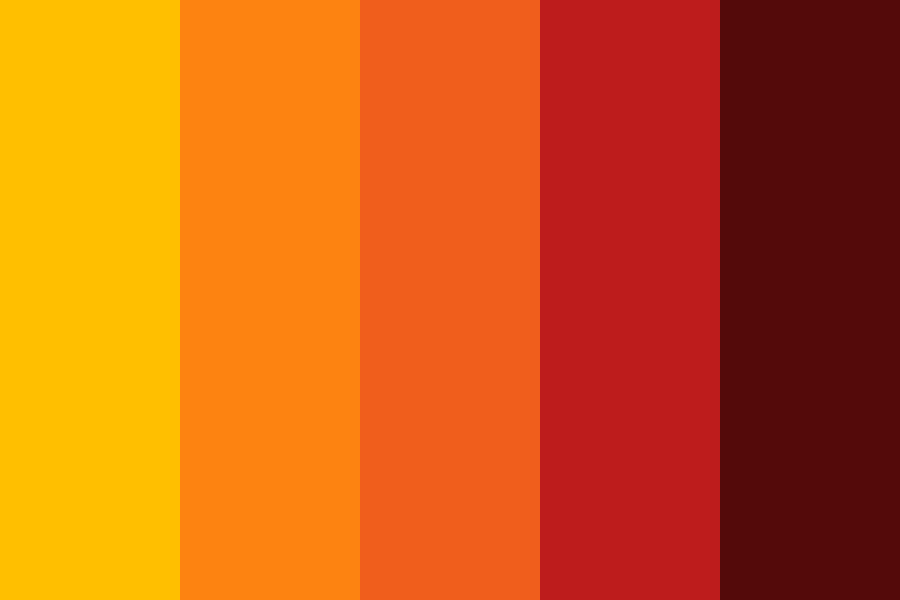
Match Light Color Palette

Orange Color Schemes Warm, Friendly, Comforting Палитра

24 Shades of Orange Color Palette


